
GM nixes hydrogen fuel cells, Mercedes-Benz joins renewable energy initiative

General Motors and Mercedes-Benz have made announcements regarding alternative manufacturing, with GM poised to stop work on next-generation hydrogen fuel cell development through its Hydrotec brand.
Mercedes-Benz has joined the Renewable Carbon Initiative (RCI), which seeks to use only fossil-free vehicle components.
GM says its production of hydrogen fuel cells for data center and power generation through Fuel Cell System Manufacturing LLC, a GM joint venture with Honda, will continue.
“While hydrogen holds promise for specific high-demand industrial applications like backup power, mining, and heavy trucking, the path to reaching a sustainable business in fuel cells is long and uncertain,” a press release from GM states. “High costs and limited hydrogen infrastructure in the U.S. have limited consumer adoption of fuel cell-powered vehicles.”
The release notes that, according to the U.S. Department of Energy, there are only 61 hydrogen refueling stations nationwide, compared to more than 250,000 Level 2 or faster electric vehicle charging locations.
“GM is sharpening its focus on the technologies that show the clearest path to scale and customer value,” the release says. “GM will concentrate R&D and capital resources on batteries, charging technology, and EVs — which have clear market traction, rather than on hydrogen, which has yet to fulfill its potential.”
GM isn’t the first to discontinue its hydrogen fuel cell efforts.
In July, Stellantis announced it would discontinue its hydrogen fuel cell technology development program.
“Due to limited availability of hydrogen refueling infrastructure, high capital requirements, and the need for stronger consumer purchasing incentives, the company does not anticipate the adoption of hydrogen-powered light commercial vehicles before the end of the decade,” a press release said.
The company previously planned to release a range of hydrogen-powered Pro One vehicles this year, including a medium-sized van in France and a large van in Poland. These plans have been canceled with the discontinuation of the program.
Mercedes and the Renewable Carbon Initiative
Mercedes-Benz is the first automotive company to join the RCI, according to a press release from the OEM. It was founded by nova-Institute to bring together leaders in the chemical, energy, and automotive sectors under a common goal: to use only renewable alternatives derived from biomass, CO₂ utilization, and recycling.
Mercedes says the RCI fits seamlessly into its commitment to responsible resource use.
“The focus here is on supporting the strategic pillar ‘Resource Use & Circular Economy,’ which goes far beyond individual products,” the release states. “Together with partners such as BASF, Covestro, Michelin, Continental, and WWF, Mercedes-Benz aims to develop innovative solutions for a carbon-based circular economy while eliminating the use of fossil resources.”
Pilot projects are planned for 2026. Mercedes is exploring carbon capture and utilization for automotive plastics, bio-based carbon sources for components, and circular carbon solutions.
“These measures support the implementation of the sustainable business strategy and contribute to resource conservation, circularity, and decarbonization,” the release says.
By joining the RCI, Mercedes-Benz says it will expand its circle of strategic partners to include innovative start-ups and leading institutes, “further strengthening its innovation network for sustainable solutions across the entire value chain.”
The release notes that in 2023, suppliers representing around 87% of Mercedes-Benz’s annual purchasing volume signed an Ambition Letter, agreeing to supply the company only with net carbon-neutral production materials in the future.
Images
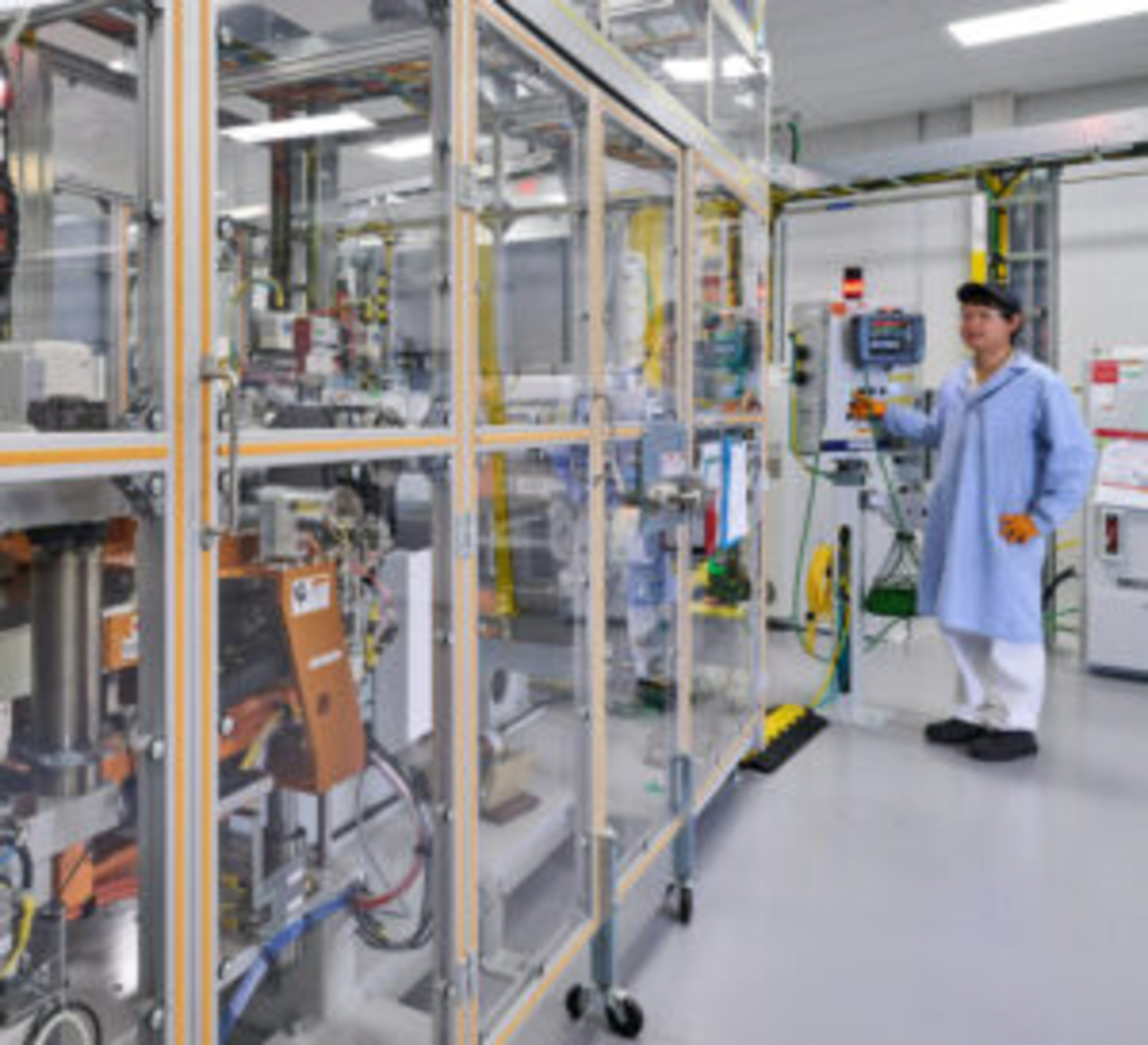
Featured image: An employee monitors the progress of fuel cell electrodes in the stack assembly room at Fuel Cell System Manufacturing, GM and Honda’s fuel cell joint venture in Brownstown, Michigan. (Provided by GM and Honda in 2024)