
Ford updates ADAS, aluminum, and scanning position statements

Ford has updated three collision repair position statements on the importance of safety and proper functioning in relation to ADAS recalibrations, aluminum structural repair, and pre- and post-repair diagnostic scanning.
The new statements contain a broadened scope, guidance in engineering validation, warranty and Red Carpet lease implications, and offer a concise format with support links, according to Ford.
According to the aluminum structural repair statement, Ford recommends that all of its vehicles, including the Lincoln brand, be repaired at an aluminum structural certified collision center in the Ford Certified Collision Network (FCCN), using Ford Motor Co. original equipment parts and repair procedures approved by the company.
Ford emphasizes that using the proper tools and equipment, as well as shop setup — all of which are outlined in the position statement — is crucial for achieving precise fit and finish, ensuring guaranteed structural integrity, maintaining reliable safety performance, and promoting long-term durability.
All three position statements say that Ford doesn’t warranty non-OEM parts, and their use would breach the company’s terms under Red Carpet Lease Agreements.
Specific to bumper fascia repair with ADAS technology, another updated position statement says for the sake of proper ADAS function and safety, “any repair or replacement of a front or rear bumper fascia (including sensors and or cameras) on ADAS-equipped vehicles should utilize new, Ford Motor Company-approved original equipment parts in accordance with Ford and published OEM procedures.”
“Use of non-approved or reconditioned fascias, improper substrate repairs, or misalignment of sensor retainers may impair system performance and compromise safety,” the statement says. “Ford vehicles are engineered with state-of-the-art features that both enhance the driving experience and protect occupants. Central to the proper function of advanced driver assistance systems are the original bumper fascias, which are precision-designed and manufactured to work seamlessly with sensors and cameras.”
Ford Motor Co. ADAS relies on OEM bumper fascias for correct sensor alignment and operation, including:
-
- Pre-Collision Assist with Automatic Emergency Braking (AEB)
- Blind Spot Information System (BLIS) with Cross-Traffic Alert
- BLIS with Trailer Coverage
- Adaptive Cruise Control with Stop & Go and Lane Centering
- Lane-Keeping System
- BlueCruise Hands-Free Driving
- Intersection Assist
- Reverse Brake Assist
- Active Park Assist
- Evasive Steering Assist
- Pro Trailer Backup/Hitch Assist
- Post-Collision Braking
“Ford Motor Co. has not validated ‘like-kind’ aftermarket, recycled, salvaged, or reconditioned parts (unverified repairs risk fit, safety, false diagnostic trouble codes (DTCs), and rework),” the statement says. “Their unverified quality and potential for dimensional variances risk fit, safety, and the generation of false DTCs or impaired ADAS functionality… Adherence to all Ford Motor Co. original equipment collision-repair procedures is critical for a complete and safe repair, especially concerning ADAS system functionality.”
A third position statement covers in more detail why pre- and post-repair diagnostic scanning is important and necessary:
-
- “Pre-repair scans establish a baseline and reveal diagnostic trouble codes (DTCs) that may not trigger warning lights;
- “Some faults need multiple drive cycles or proper vehicle voltage to manifest;
- “Removing panels, glass, or components can introduce new fault codes requiring recalibration or initialization; and
- “Post-repair scans verify that no new DTCs were introduced and confirm full system restoration.”
The statement adds that “aftermarket, recycled, salvaged, and reconditioned parts, or aftermarket scanning equipment, have not been validated by Ford Motor Co. for use in repairs.”
“Their unverified quality may compromise fit, function, and safety and could lead to improper repairs or false DTCs,” it states.
The statement also includes the proper software and hardware that should be used for scanning.
“For optimal restoration of all safety and driver-assist systems to their pre-accident performance condition, all Ford Motor Co. vehicles (model year 1996 and newer) involved in a collision (defined as damage beyond minor outer-panel cosmetic distortion) are required to undergo both pre-repair and post-repair diagnostic scans to restore all safety and driver-assist systems to their pre-accident performance condition,” the statement says.
Andrew McInnes, Ford Motor Co. collision and global brand protection manager, told Repairer Driven News the updated statements are the result of rapidly evolving vehicle technologies.
“It was identified that it was probably time for us to revamp them and bring them up to today’s standards while also making them easier to consume, easier for shops to use and understand, easier for the independent repairer, and to provide that guidance to the customer as well.
“This advanced technology is why our customers are choosing our Ford vehicles. And for us, it’s important that when our customers are involved in a collision, that we’re able to help ensure the independent repairers and the market is able to repair these vehicles and bring them back to the standards the customer expects.”
When asked about costs associated with following OEM repair procedures and position statements, including OE parts, in relation to insurance payment pushback, McInnes said Ford is constantly working with partners and suppliers to ensure competitive pricing.
“We do engage with the insurance industry to help them understand the significant value of those OE parts and what they bring to the repair when it comes to maintaining that vehicle’s integrity and safety,” he said. “In the long run, the safety and reliability you get from that proper repair with OE parts and repair procedures is the bigger issue for us.”
Ford and Lincoln position statements, repair procedures, and calibration requirements are available to collision professionals at:
Ford notes that position statements are intended to be used with the full vehicle service information and are not a substitute for the official workshop manual procedures.
Images
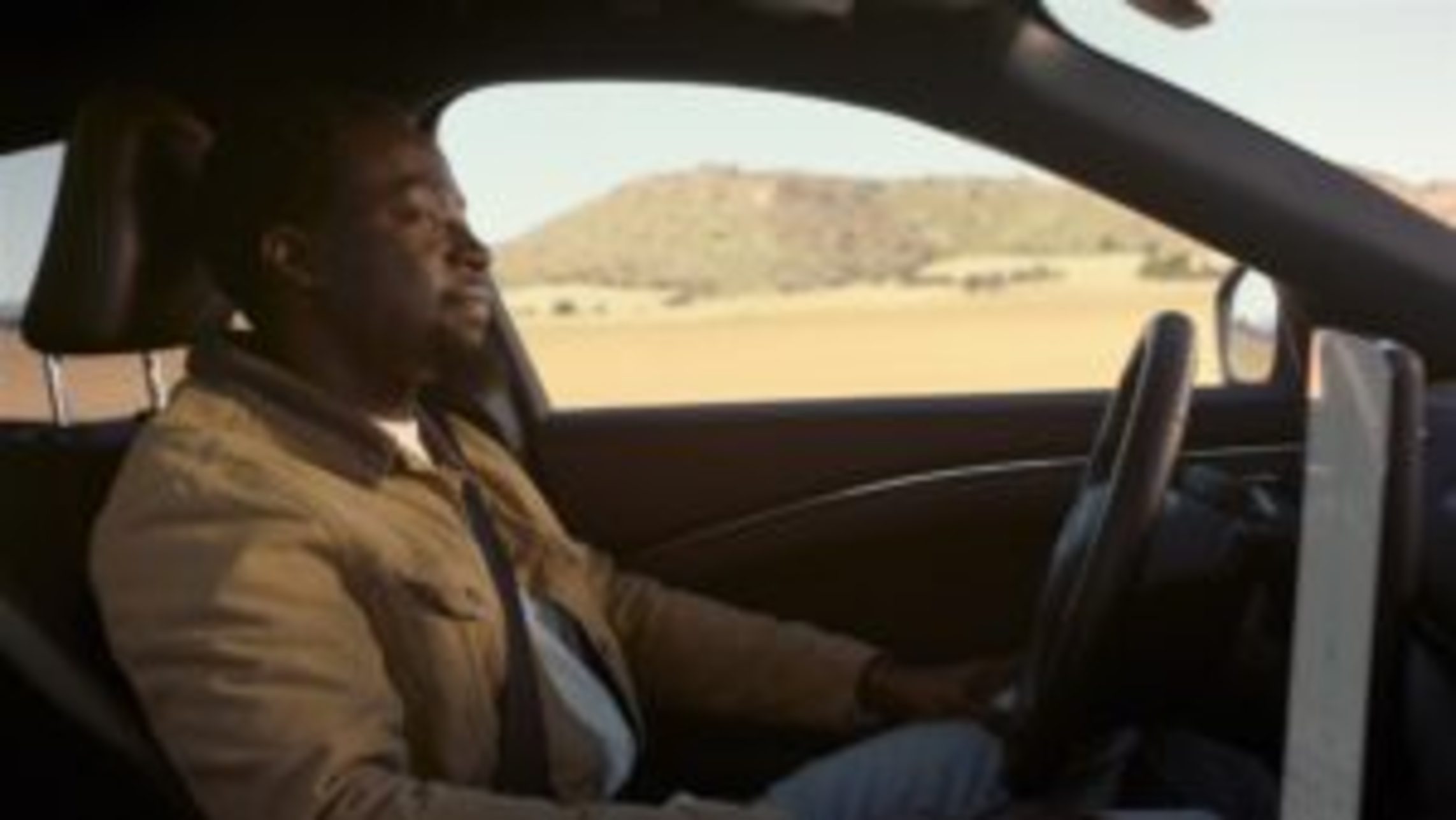
Featured image: A driver demonstrating Ford BlueCruise hands-free technology. (Credit: Ford/Foxtrot Papa)