
CAPA decertifies 11 parts in August, 6 are Tong Yang parts

August saw more decertifications by CAPA than any other month so far this year, according to data provided on CAPA’s monthly decertification list.
Eleven parts were decertified in August, bringing the number of parts decertified this year to 57. July and January trail behind August with nine parts decertified in each month.
Tong Yang continues to lead as the manufacturer with the most parts decertified by CAPA, with six parts added to the list in August.
CAPA has decertified 25 Tong Yang parts overall. Y.C.C. follows with 10 parts decertified. Pro Fortune and TYC Brother follow, with each having four parts decertified.
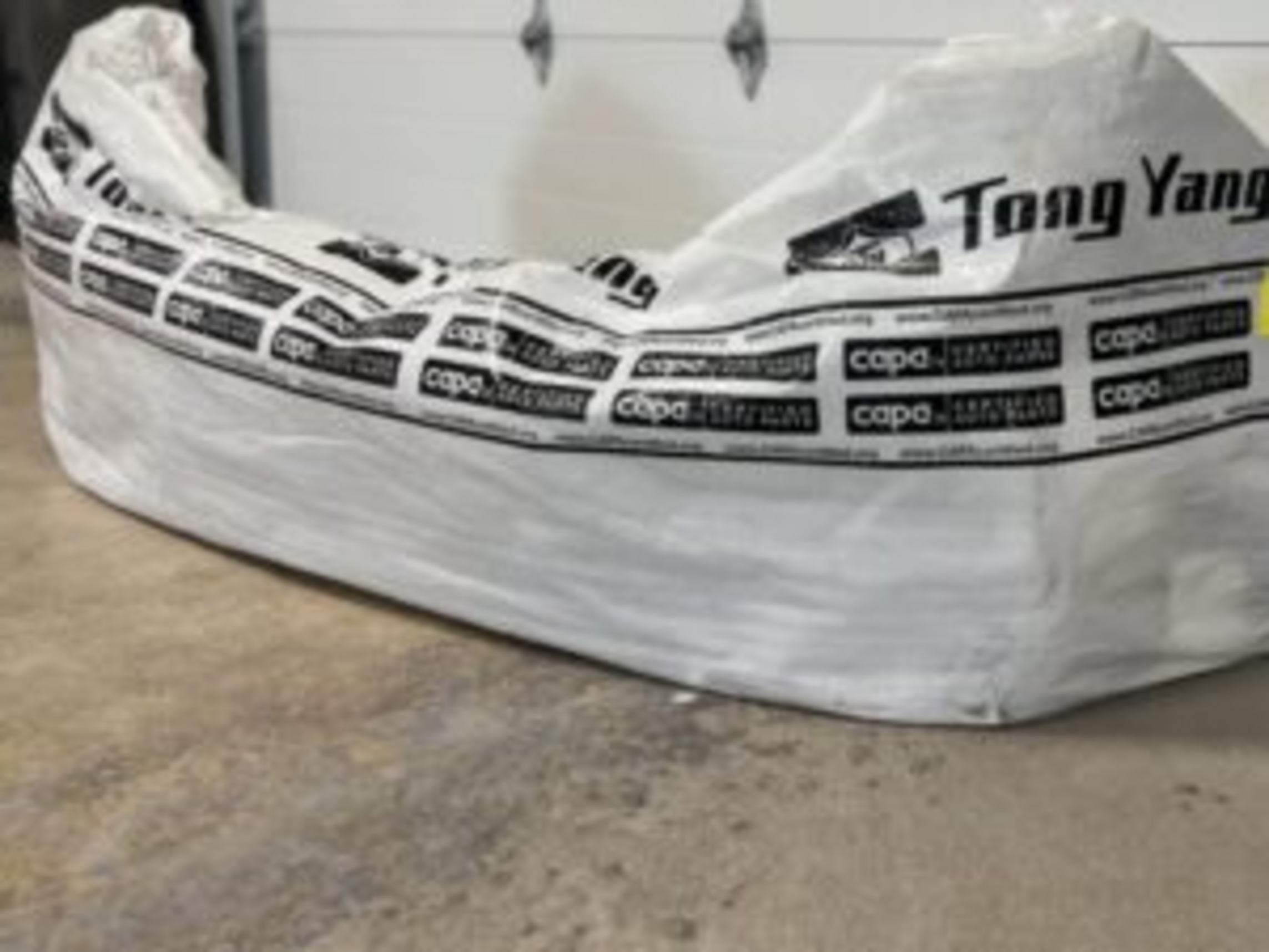
Tong Yang parts decertified in August include a fender, hood, and four bumper covers.
Y.C.C. also had four parts decertified in August, all of which were bumper covers.
Of all the parts decertified this year, Tong Yang has had the most parts decertified (six) for Toyota. Hyundai follows with four parts and Honda with three parts.
The Hyundai Elantra saw the most Tong Yang parts decertified with three. The Lexus RX 350, Toyota 4Runner, and Toyota Rav4 have each had two Tong Yang parts decertified.
RDN previously asked CAPA how many times a manufacturer can have a part decertified before they can no longer apply for certifications. CAPA didn’t answer the question directly.
“As the industry understands, no manufacturing process is flawless — even OEMs face challenges, as evidenced by weekly recall lists,” CAPA said in an email.” CAPA thoroughly investigates reported issues, addressing necessary corrections on a case-by-case basis.”
When previously asked how the industry should use the part reports, if information providers receive the list and, in return, update their inventory and database, CAPA responded that it does not have insight into how recipients use the reports.
Information providers CCC and Mitchell have previously told RDN that it is up to the parts supplier to update their systems
Last month, Shanna Chong, an auto damage appraiser with Kuroda Auto Body, expressed frustrations over CAPA’s complaint process.
The complaints involved bumper covers for two separate Toyota 4Runners.
Both times, CAPA responded that the test results on the parts were inconclusive due to the condition of the parts when received.
RDN asked CAPA to explain what type of testing happens with these types of complaints and how a test could be inconclusive.
“Testing results may be considered ‘inconclusive’ if standard testing procedures cannot be performed,” CAPA responded. “If a part is modified from its original form, it cannot be properly evaluated. Other reasons for an ‘inconclusive’ result include but are not limited to: damage caused by shipping, or if the part cannot be installed on a vehicle to evaluate fit concerns.”
IMAGE
Photo submitted by a reader