
Automotive organizations outline necessary NHTSA policy reform to federal legislators, regulators

The Alliance for Automotive Innovation (Auto Innovators) reiterated the need for reform of the National Highway Traffic Safety Administration (NHTSA) in comments it sent to the Energy and Commerce Committee last week.
The U.S. Department of Transportation and the Energy and Commerce Committee recently separately asked vehicle safety stakeholders for comments prior to the expiration of the federal surface transportation programs.
The 2021 Infrastructure Investment and Jobs Act (IIJA) reauthorized the surface transportation programs through Sept. 30, 2026.
According to the Transportation and Infrastructure Committee, it plans to have legislation in place before the current law expires. It started holding hearings to examine different aspects of highway, transit, and rail transportation programs in January.
The Energy and Commerce Committee accepted comments through Aug. 20.
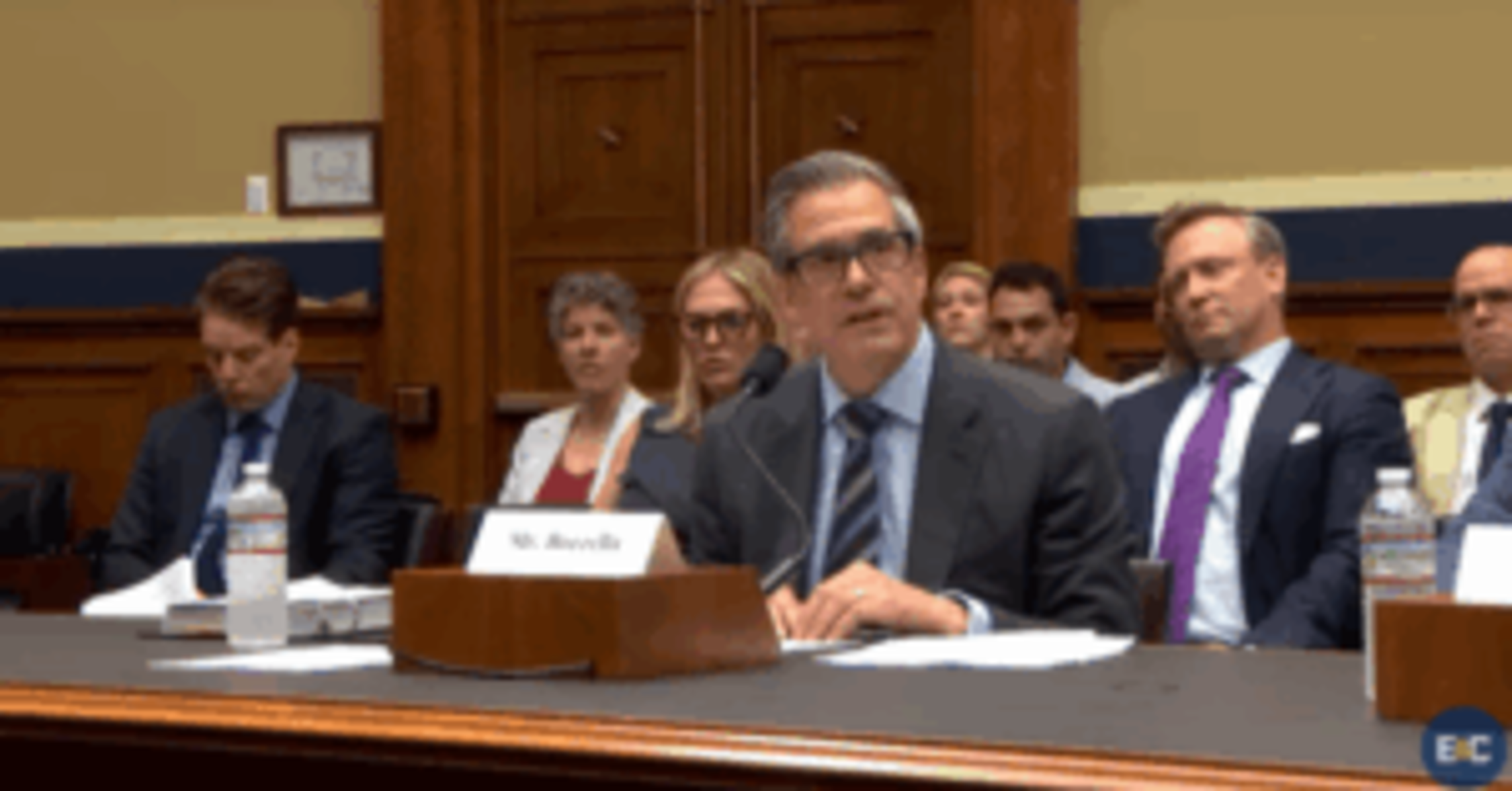
Many of the comments made by Auto Innovators echo those made by Alliance President and CEO John Bozzella to the House Committee in June.
“NHTSA is an agency that, in many ways, is not working as intended, leaving automotive safety without a governmental and regulatory roadmap,” Auto Innovators’ comments sent to the committee say. “When NHTSA worked well, it constructively engaged with external stakeholders, provided a clear research agenda to inform potential regulations, created regulatory frameworks that enabled innovation, and promoted the introduction of new safety technology.”
However, in recent years, NHTSA’s relationship with the industry and safety community has fractured, the comments say. This leaves consumers without critical safety information, hindering development, innovation, and lifesaving technologies.
The comments state key reforms need to happen, including:
-
- A clear research agenda;
- A revitalized New Car Assessment Program (NCAP); and
- An aligned approach to rulemaking.
NHTSA’s Annual Model Research Plans are not detailed or expansive enough to serve as useful tools for awareness and alignment among industry stakeholders and the agency, the comments say.
“Critically, they are missing a necessary connection to the agency’s rulemaking plans and priorities,” the comments say. “Aligning research and rulemaking priorities would accelerate investments by industry into innovative safety technologies and allow for improved cross-pollination of ideas.”
Auto Innovators proposes legislative language that requires NHTSA to list all planned vehicle safety rulemakings for the upcoming 36 months with expected milestones. The language would also request that NHTSA list all projects it anticipates working on, even if they may not involve rulemaking.
The comments say that NCAP should also be reformed to have a separate associate administrator to oversee the program and a federal advisory committee that would provide recommendations to NHTSA.
NHTSA should create a 10-year roadmap in consultation with the new federal advisory committee and a new private, not-for-profit entity to make recommendations about which technologies should be included in NCAP, the comments say. Auto Innovators says this would allow automakers to self-report results with the potential for NHTSA to audit those results, speeding up the rating process and reducing the associated burdens.
Auto Innovators also asks that NCAP focus on consumer education program resources to highlight the benefits of new and emergency safety technology.
According to the comments, NHTSA’s rulemaking process is inefficient.
“Many of the current safety standards are outdated, overly prescriptive, or simply misaligned with modern vehicle design, safety data, and international best practices. In addition, NHTSA has consistently demonstrated a lack of thorough and thoughtful consideration of significant technical concerns communicated by the public and, as required by the Administrative Procedures Act (APA),” the comments say. “Rather than enabling progress, NHTSA’s actions increasingly result in regulatory roadblocks that stifle innovation, delay deployment of life-saving technologies, and erode U.S. leadership in the global auto market, while prices for new cars climb higher.”
It asks that NHTSA create a system to encourage innovation in areas such as Automatic Emergency Braking, lighting standards, and bumper standards.
The U.S. Department of Transportation (USDOT) also recently closed a request for information on the proposed legislation.
During the request for information period, USDOT asked for comments from entities significantly affected by its actions, including state, local, and tribal governments; small businesses; consumers; non-governmental organizations; transportation system operators; service providers; OEMs; and trade associations.
“Such stakeholders can provide valuable insight and suggestions to support the development of the next surface transportation reauthorization bill to address the nation’s most essential infrastructure needs,” the request says. “As we approach reauthorization, DOT seeks to engage a broad range of stakeholders to assess what has worked, what needs improvement, and what new priorities should be included.”
The Specialty Equipment Market Association (SEMA) announced last week that it responded to the request for comments and asked USDOT and Congress to consider how the federal government can deliver advanced driver assistance system (ADAS) policies and guidelines.
“Aftermarket companies manufacture, sell, and service popular and widely used products like vehicle wraps, lift kits, bike racks, bumpers, winches, and sideview mirrors, which must operate harmoniously with the technology automakers employ to support ADAS features on modern vehicles and thus ensure safety systems continue to operate as intended for the full lifecycle of a vehicle,” a press release says. “As a result, correct calibration and re-calibration of safety systems are core concerns for maintaining driver and passenger safety after these common modifications are made.”
SEMA asked that the government establish modification ranges and tolerances for new vehicles, along with guidelines that ensure proper calibrations of ADAS and create neutral validation protocols, as well as a visible diagnostic indicator to determine ADAS operational status or an electronic diagnostic indicator for ADAS status.
The association also dived into data access, asking the government to require automakers to make full lifecycle support for ADAS achievable, and that OEMs be required to provide full access to Vehicle Dynamic Systems and the data necessary to maintain compliance and functionality.
OEMs and independent repair facilities have stated that all the information is available for vehicles to be repaired throughout their lifetime.
“Safety is a primary concern and core focus for the automotive aftermarket,” said SEMA president and CEO Mike Spagnola in the organization’s letter to USDOT. “When cars and trucks needed to be safer, the automotive aftermarket was there; when seat belts, backup cameras, sideview and enhanced rearview mirrors were still optional equipment, it was the aftermarket that sparked their popularization and made them widely available. Today, with advanced driver assistance systems (ADAS) offered in most newer vehicles, the aftermarket is developing products that are compatible with the many safety features these vehicles provide, along with providing collision avoidance systems and blindspot monitors for older vehicles.”
Images
John Bozzella, Alliance for Automotive Innovation (Auto Innovators) president and CEO, speaks before a congressional committee hearing on June 26, 2025./Screenshot.