
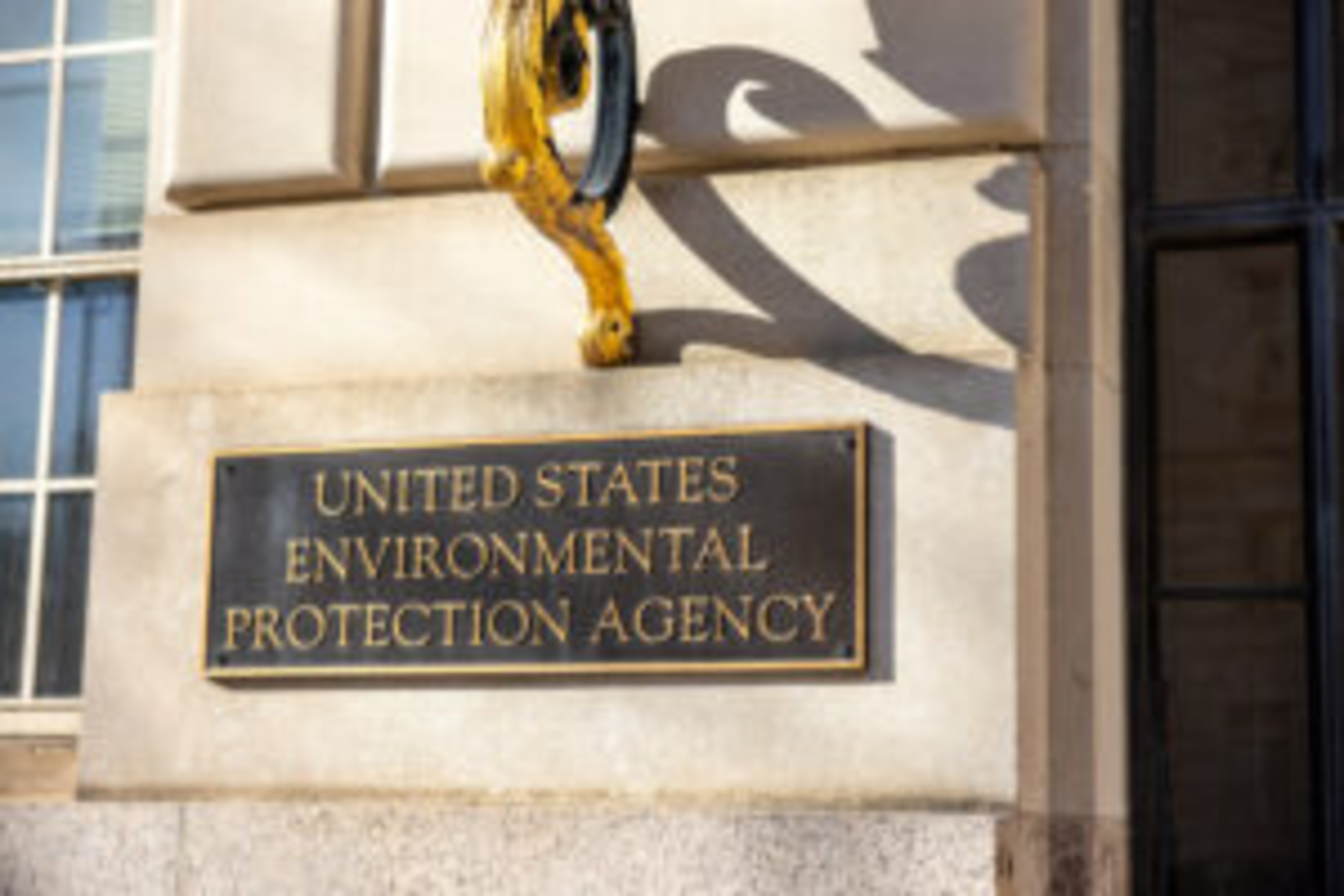
SCRS, KPA address EPA risk assessment on 2 chemicals atypical to collision repair

The Society of Collision Repair Specialists (SCRS) says collision repair businesses don’t typically have exposure to products that contain diisodecyl phthalate (DIDP) and diisononyl phthalate (DINP) — two phthalates that the U.S. Environmental Protection Agency (EPA) has identified as carrying health risks for users.
Phthalates are chemicals that make plastic soft and flexible. DIDP and DINP are both plasticizers, added to a material in a manufacturing process to make it softer and more flexible.
SCRS researched the risks the phthalates could pose to collision repairers in response to information requested by the EPA as part of its Toxic Substances Control Act (TSCA) risk evaluation process.
The agency determined in January that the automotive industry uses DIDP and DINP in underbody coatings. Under the TSCA, the EPA will propose a risk management regulatory action “to the extent necessary” so that DIDP and DINP no longer present unreasonable risks.
SCRS Executive Director Aaron Schulenburg wrote to the EPA that “these are not chemicals that we were able to find a substantial amount of information on in the normal conduct of business” after researching with the assistance of KPA, an automotive safety, compliance, and environmental consulting company.
According to the letter, it isn’t common practice to spray-apply underbody coatings in the automotive refinishing industry.
“If such materials were to be applied via spraying, the process would typically involve an aerosol can or a high-volume, low-pressure (HVLP) spray gun,” Schulenburg wrote. “Application would occur in a controlled environment, such as a positive or negative pressure paint booth, and within a designated paint preparation station that can be isolated from the rest of the facility.
“Employees performing the application would be required to wear appropriate personal protective equipment (PPE), including body, hand, and eye protection, as well as respiratory protection. The level of respiratory protection would be determined through an exposure assessment, conducted as part of the facility’s comprehensive respiratory protection program.”
He added that most parts that would require a flexible coating are replaced with new parts during collision repairs. This is also the case for interior parts that EPA has identified as containing DINP, such as molded dashboard components or those made from leather or vinyl.
“The mixing and application of DINP is more commonly performed during the manufacturing phase of the automobile,” the letter states. “If repair was necessary, low-pressure (aerosol can) spray application would be the most common method. As such, regulation at the manufacturing level would be more appropriate.”
The letter concludes that SCRS highly recommends EPA work with compliance organizations, such as KPA, to determine that the auto body sector has no direct interaction with DIDP and DINP, and therefore, no unreasonable risk exists within collision repair businesses.
SCRS additionally recommends that EPA consult with industry Personal Safety Divisions to better understand existing controls and industry protocol for the utilization of Personal Protective Equipment. SCRS referenced the respiratory portion of protecting potential exposure paths at the 3M Center for Respiratory Protection.
SCRS established that “if rulemaking is necessary, it should be addressed at the manufacturing level.”
Images
Featured image: Greggory DiSalvo/iStock