
CAPA Tracker now sends part issue notifications through app
The Certified Automotive Parts Association (CAPA) Tracker can now automatically inform repairers of any issues with CAPA parts they’ve used so that they can notify their customers.
The tracker is also newly available in CAPA’s app.
CAPA said in a news release on Monday that part issues are confirmed through its post-certification monitoring processes then the CAPA Tracker identifies all reported instances of the use of that part by matching the seal number to applicable repair orders and repairers.
Repairer Driven News asked CAPA if there have been any changes made to its certification and decertification processes and if there are differences between using the tracker on CAPA’s website or in the app. CAPA didn’t respond by the publication deadline.
An overview of the certification process on CAPA’s website lists four steps: manufacturer facility approval, part certification/vehicle test fit, maintaining part quality, and warranty. First, an independent testing laboratory validates that the factory is able to meet CAPA’s quality standards. After approval, manufacturers can submit parts for certification.
“Samples of each part are tested for material properties, fit, finish, paint adhesion, coating performance, weld integrity, adhesive performance, and corrosion, and are examined to confirm that they include markings identifying the manufacturer and the country and date of manufacture,” CAPA states on its website.
CAPA-certified parts and approved factories are subject to regular random inspections to verify that CAPA quality standards are always maintained, the site adds.
According to limited information previously given to RDN last year, parts are decertified when they no longer comply with any of the requirements of the applicable CAPA Standard.
CAPA said it couldn’t share how a specific part is decertified because of “client confidentiality” and some of our more specific questions about the workings of the process were left unanswered. However, when an individual part or part production lots are decertified, a CAPA part number is still considered certified.
Decertifications are announced by CAPA via its monthly and weekly mailing lists. Information about the status of certified parts or lots is available through the CAPA Parts search feature on its website.
There are two ways to enter part information into the tracker via the app: type in the unique CAPA seal number or scan the CAPA quality seal on the part using the mobile device’s camera. Doing so will automatically populate part information into the form.
Repair order numbers can also be entered into the CAPA Tracker database using the repairer’s unique “shop code” to help keep track of which vehicle a part was used to repair. The app then saves the user’s shop code for future submissions.
CAPA the tracker “closes an information gap and provides visibility throughout the supply and repair chain from manufacturer to distributor to repairer to consumer.” RDN asked what information gap CAPA was referring to in this statement but didn’t receive a response.
“CAPA strives to be a trusted leader in providing assurance of quality auto parts,” said Clark Plucinski, CAPA Board of Directors chariman. “Making it quicker and easier to use the CAPA Tracker gives repairers peace of mind when using CAPA Certified parts for a repair and increases part traceability long after a repair has taken place.”
Repairers can also report issues they notice with part fit or quality via CAPA’s website or Quality Complaint Program app, which first launched in 2019.
Images
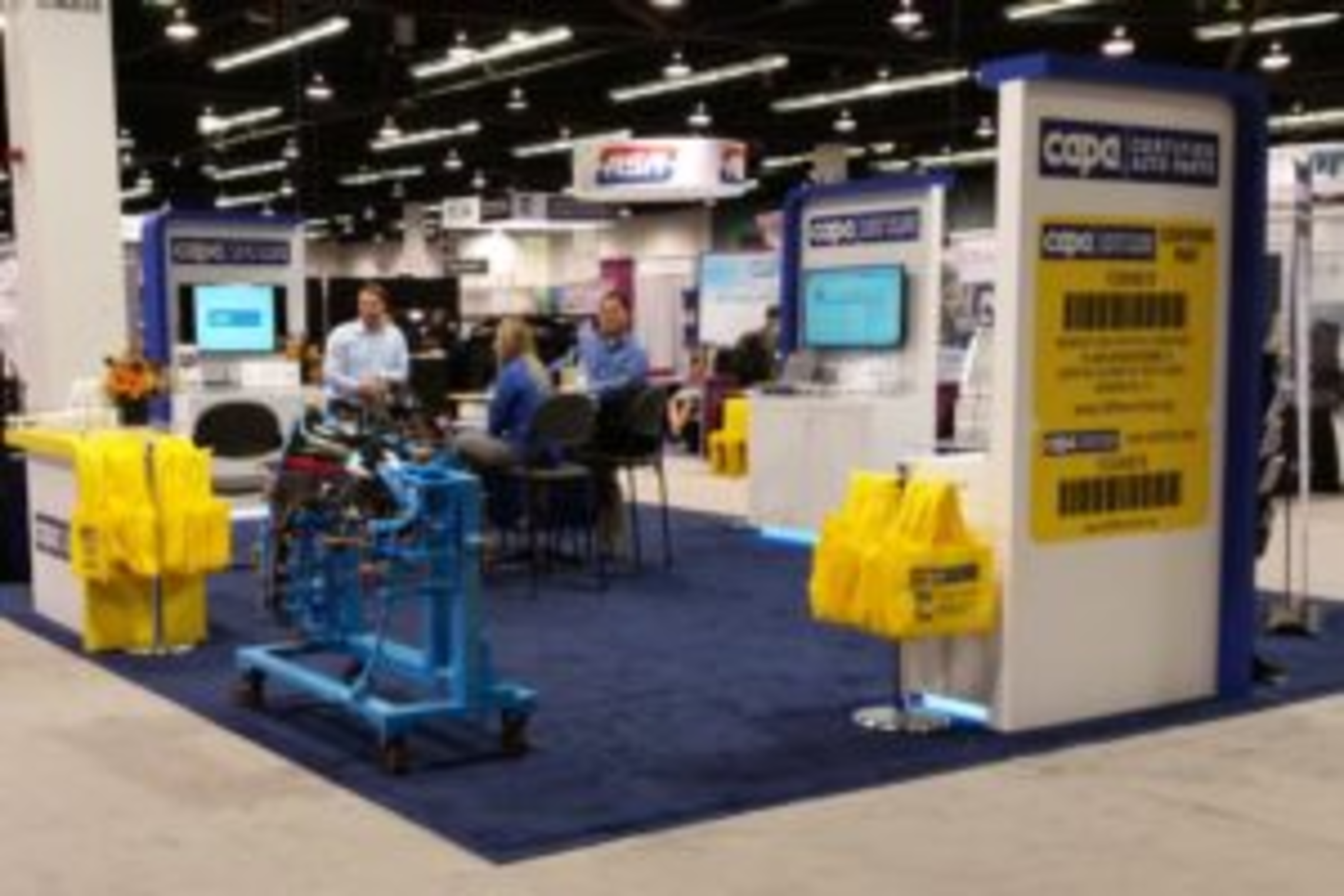
Featured image: CAPA’s booth at NACE 2016 is shown. (John Huetter/Repairer Driven News)