
CAPA to discontinue monthly certifications reports, including its decertification list

CAPA is discontinuing its monthly downloadable certification reports, including its decertification list, at the end of this year, according to an email it sent list subscribers last week.
“The most efficient and up-to-date way to access information on the certification status of parts and individual part lots remains through the Part Search feature on the CAPA website,” the email says.
The Part Search feature seems to have an option where shops may create a report of parts updated as “certified” or “decertified” from a specific date input by the user.
Yet, when Repairer Driven News tried to create a decertified report going back to July 1 of this year, no parts were identified by the search. Downloadable decertification reports provided by CAPA via their email subscription show at least 20 parts decertified since July, with nine in July, 11 in August, and none in September and October. The latter two months are the only ones this year without decertifications.


CAPA’s email says that the parts search feature has “long provided users with real-time, accurate, and easily accessible data.”
It highlights that the search option can verify the certification status parts and make certification details viewable for specific production lots within that part number. It does not provide directions for creating a report on recently decertified or certified parts.
“Given the availability of this dynamic online resource, CAPA will discontinue the weekly and monthly update reports at the end of the year,” the email says.
It says a weekly certified applications list will continue to be distributed.
“CAPA will continue to share information regarding full part or part lot decertifications related to potential safety concerns through the Public Notices and Product Safety Alerts section of the CAPA website,” the email says.
CAPA identified one part in 2025 and two parts in 2024 on its Public Notices and Product Safety Alerts section of its website, while its downloadable emailed decertification lists identified 57 parts as having been decertified since Jan. 1 of this year.
The decertification lists note they are for parts that no longer meet the CAPA standards to which they were originally certified, leading to the decertification status being withdrawn.
Decertification may not warrant a safety recall, as governed by the Motor Vehicle Safety Act under the National Highway Traffic Safety Administration (NHTSA), the report says.
The email also added new information that says distributors holding decertified CAPA parts are entitled to a refund, replacement part, or credit from the applicable participant, as determined by the participant.
“Please contact the participant directly to discuss reimbursement options,” the email says. “For any questions pertaining to this list, please contact CAPA for assistance.”
It adds that CAPA is thankful for support in reporting non-compliance variations, regardless of significance.
“Your assistance assures repairers and consumers they can continue to expect quality collision replacement parts when they see the CAPA seal,” the report says.
CAPA did not answer an October request from RDN about the last time it saw a month with decertifications.
Between January and August, an average of seven parts were decertified each month, with March having the fewest (three) and August having the most (11).
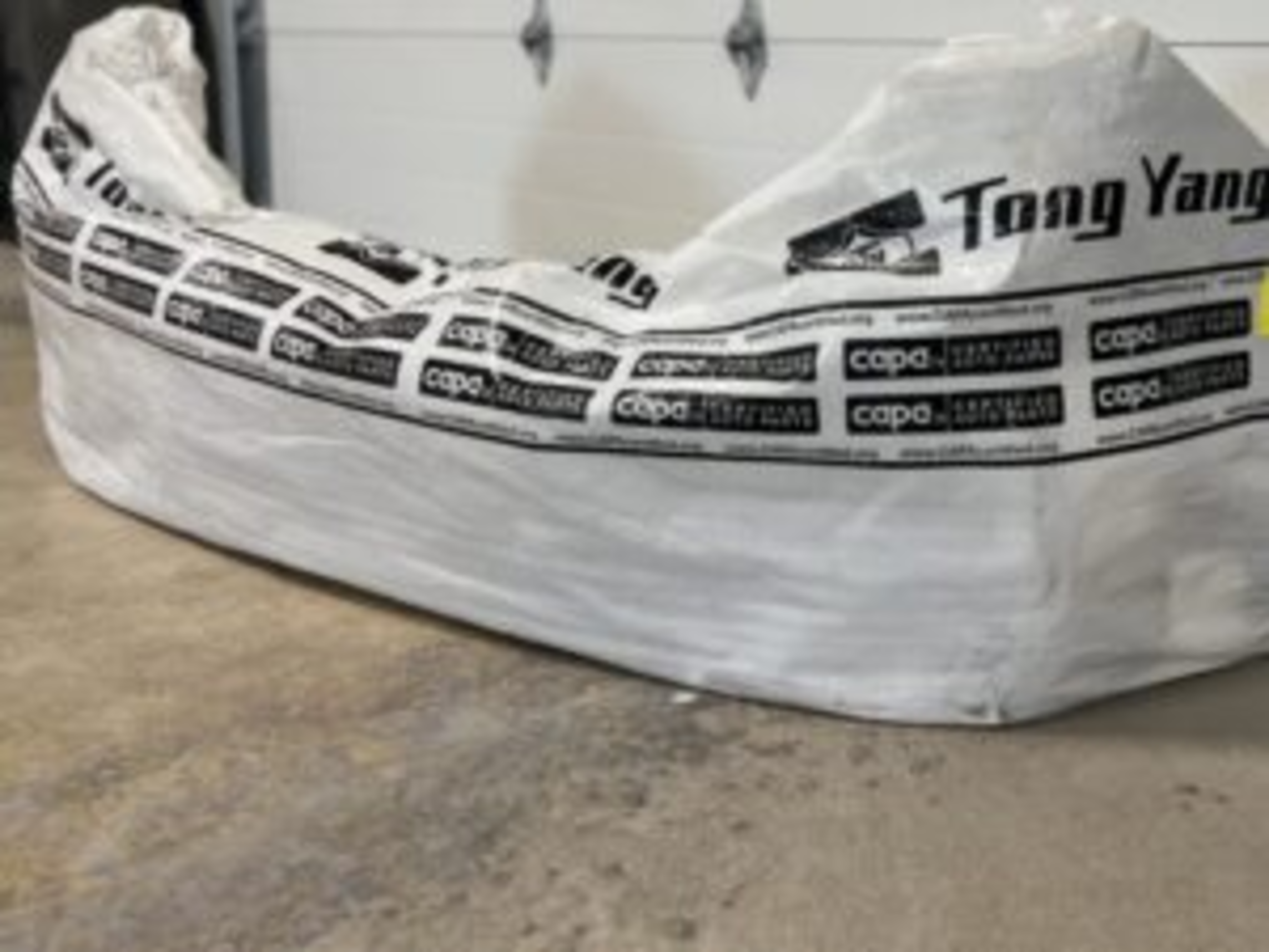
Of the 57 parts decertified so far this year, Ton Yang has the most with 25. Y.C.C. follows with 10 parts decertified. Pro Fortune and TYC Brother follow, with each having four decertified parts.
RDN previously asked CAPA how many times a manufacturer can have a part decertified before they can no longer apply for certifications. CAPA didn’t answer the question directly.
“As the industry understands, no manufacturing process is flawless — even OEMs face challenges, as evidenced by weekly recall lists,” CAPA said in an email.” CAPA thoroughly investigates reported issues, addressing necessary corrections on a case-by-case basis.”
Image
Photo courtesy of a reader.