
Michigan bill banning insurers from charging fees, higher rates for lapses moves to floor

A Michigan bill that would prohibit insurance companies from charging a reinstatement fee or a higher rate as a result of lapse of coverage has favorably passed through the Senate Committee on Finance, Insurance and Consumer Protection.
The bill, SB 329, was introduced by Sen. Jeff Irwin (D-15) in May. It was moved out of the committee last week and awaits a full floor vote.
“If someone experiences a lapse in coverage because they’re sick or are having trouble making ends meet, we should make it easy for them to get insured again — not hit them with additional fees from insurance companies looking to turn a profit,” Irwin said in a press release. “At a time when everyday costs, including car insurance rates, are at an all-time high, this legislation would protect Michigan consumers, helping them afford to get back into the system and back on the road. Furthermore, all Michigan drivers pay more for these uninsured drivers. For the sake of all drivers’ rates, we need to make it easier, not harder, to buy insurance.”
The release says drivers in the state will still be required to carry insurance, but the bill would remove the barrier for them to restore coverage.
Irwin introduced the bill and another in May as a way to combat high auto insurance rates in the state, which he says are among the highest in the nation.
Senate Bill 238 would reduce premiums for new policies written or renewed in the state by 10%, as calculated from the rates filed and approved under the Michigan Insurance Code.
As of last week, the bill remained in committee.
Louisiana has also been exploring ways to reduce the impacts on drivers who have an insurance lapse.
Last month the state’s legislative auditor suggested the legislature consider evaluating state law to help mitigate the negative impacts of license suspension and reinstatement fees stemming from insurance cancellations.
As of June 2024, about 255,657 (9.1%) of the state’s 2,811,435 personal driver’s licenses were suspended and/or revoked. Insurance cancellations were the most common, with 201,780 violations (79.9%).
“Reinstatement fees must be paid before OMV (Office of Motor Vehicles) can return a license that has been suspended or revoked to good standing, which can delay individuals who are otherwise compliant from regaining an active license,” the report says.
The report found that 58.1% of driver’s licenses that were suspended and/or revoked as of June 2022 were still not active as of June 2024. This means that less than half of the drivers were able to resolve their violations and/or avoid committing subsequent violations during the two-year period.
Image
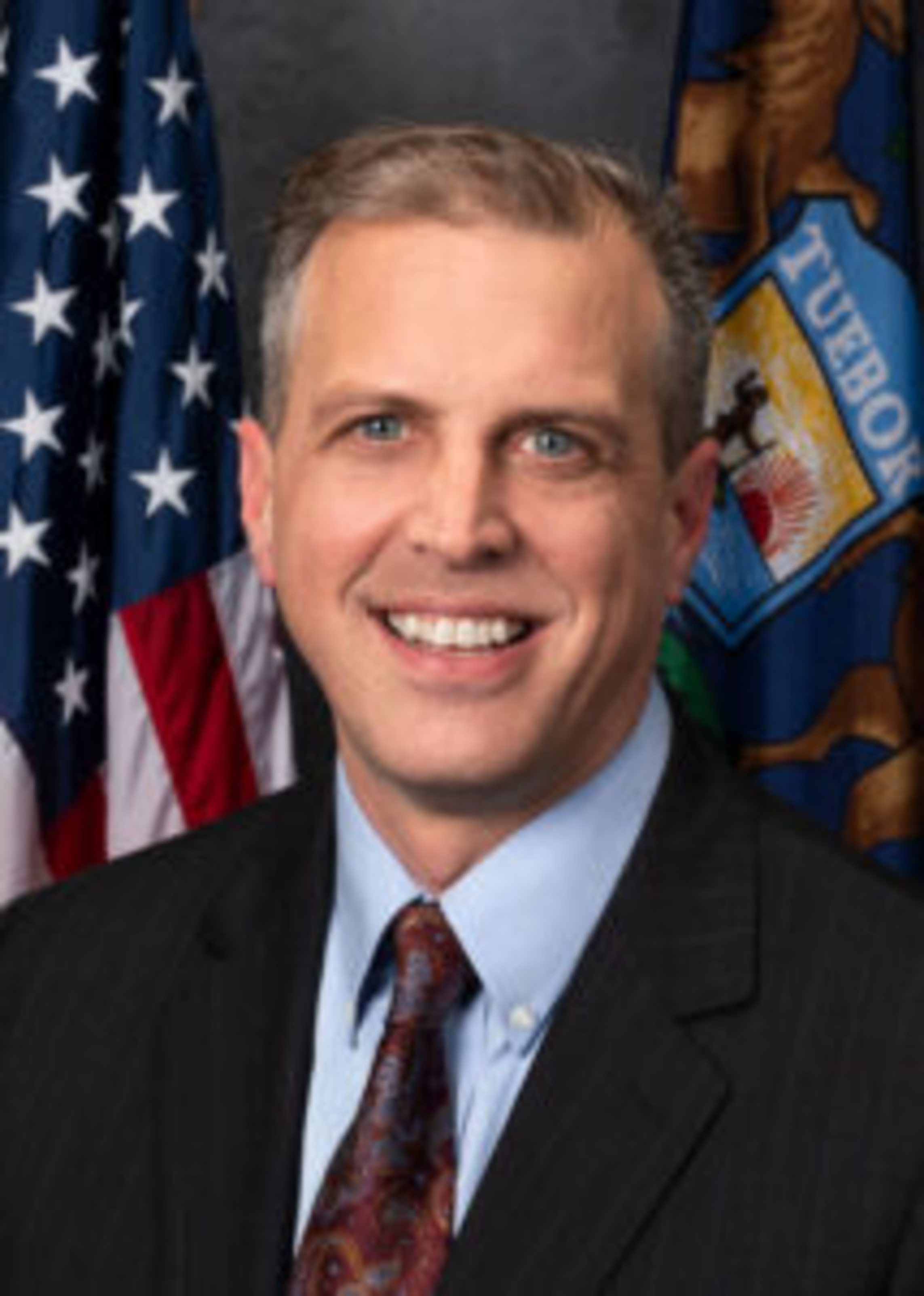
Featured image: Sen. Jeff Irwin (D-District 15). Provided by Irwin’s Office.