
DC Journal piece: REPAIR Act about insurance and parts companies controlling consumer decisions

Justin Lewis, owner of Accurate Auto Body in Redmond, Washington, penned an opinion piece for DC Journal that cuts to the chase of who and what is behind the REPAIR Act.
“They call it ‘right to repair,’ but what big chain parts and service companies really want is to influence or control your decisions,” Lewis says in the piece. “For example? Access to your dashboard screen and a chance to sell you things using ads based on your driving history or location (sort of like how search engines target you with ads based on your Google searches).”
Social media ads make claims that independent auto repairers can’t get the information needed to properly fix or service vehicles, he writes. Other ads make statements that automakers are hoarding tools from repairers to control the repair market, he says.
“This would freak me out, too — if it were true,” Lewis says.
Lewis’s family has run an independent auto repair business for more than 30 years. His business is certified by 10 automakers, and focuses on collision repair.
“We’ve put cars back together after every type of damage, from scratches and dents to major collisions, and those vehicles leave our shop repaired correctly, as the customer authorized, using the right tools and with all the safety sensors and systems restored and calibrated,” the piece says. “And in those three-plus decades, I’ve never had an issue getting exactly what I needed to properly repair a vehicle for my customer. That’s just not a problem that exists.”
As vehicles become more digital, repair instructions, tools, and diagnostic codes are still easily available for dealers and independent repairers, Lewis writes.
“So, what‘s happening? Big parts sellers and giant insurance companies got behind a bill in Washington called the REPAIR Act, requiring automakers to provide direct access to your vehicle’s data and driving systems,” Lewis says in the piece. “They claim this is necessary repair information. It’s not.”
Lewis says he has access to all the data information and systems he needs to properly repair 1,800 vehicles, on average, annually.
The data the REPAIR Act is trying to access, such as through dashboard screens, is entirely unnecessary for a repair, Lewis said.
Lewis asks, “What happens if that vehicle location data gets out in the open where anyone can use (or misuse) it? Could the information be sold? Could the onboard computer be hacked? Who is liable when that happens? I sure hope it isn’t an independent repairer like me —especially since I don’t need the data in the first place.”
Insurance companies receive extra power to impose the installation of untested, foreign-made, or counterfeit parts made to imitate the look of genuine automakers, he said.
The REPAIR Act supports the claim that it will guarantee vehicle owners can get the tools, and information they need to choose aftermarket parts, he said.
“I can’t tell you how many fights I’ve had with big insurers after a customer tells me they want a genuine manufacturer part (just like it came from the factory),” the piece says. “The insurance company tells me they won’t pay for anything other than the cheaper or untested aftermarket part, while denying the necessary diagnostic procedures. This is already a big problem, and I’m usually the one who has to explain the obvious safety concern to my customers.”
The private data accessed by the insurance companies could also be used to set consumers’ premium rates, he writes.
“When you see these scary posts on Facebook, remember this really boils down to money, control, privacy, and safety,” he says. “There’s money (lots of it) to be made on your vehicle data and from forcing the use of insurance company-dictated parts. And if you don’t want to use insurance company parts or you want me to follow the manufacturer repair instructions, it could cost you. You’ll pay for those items over and above your deductible.”
Lewis said a law addressing repairs should treat dealers and independent repairers the same. It should protect vehicle owners’ personal information, guarantee they are entitled to a safe vehicle, and allow them to choose the parts that go into their cars and how they’re repaired.
“That’s not the REPAIR Act,” Lewis says. “But it is the right to repair.”
Lewis’s letter to NFIB
Lewis also recently sent a letter to the National Federation of Independent Business (NFIB) after receiving an email from the federation that asked for his support of the REPAIR Act.
“I want to be clear: I am an independent business, and I am a member of NFIB,” Lewis said. “I strongly oppose the REPAIR Act and ask that you do too. The other independent businesses that I know and work with, who are also NFIB members, also oppose this bill.”
He reiterated that the bill was created by insurance companies and aftermarket parts companies, and that while passed off as necessary and good for independent collision repair businesses, it is not.
“As an independent business, I support the collaborative work that has gone into the SAFE Repair Act federal framework — language developed by actual repairers working alongside manufacturers,” Lewis writes.
He writes that the SAFE Repair Act would:
-
- “Promote healthy competition, guaranteeing independents continue to have the same access to repair info as franchised dealers — as we already do.
- “Empower true consumer choice, letting owners decide where and how their vehicles are repaired.
- “Protect consumer privacy by limiting access to only the data actually needed for repairs.
- “Prioritize safety by ensuring OEM engineering standards and procedures cannot be overridden by insurer cost-cutting.
- “Add transparency to the used-vehicle market through disclosure and inspection requirements.”
Lewis said the REPAIR Act wouldn’t empower consumers or support small businesses.
“I urge you to rethink your position and oppose the REPAIR Act,” Lewis closes the letter. “Stand with independent small businesses like mine, protect consumer safety, and support the SAFE Repair Act instead.”
Image
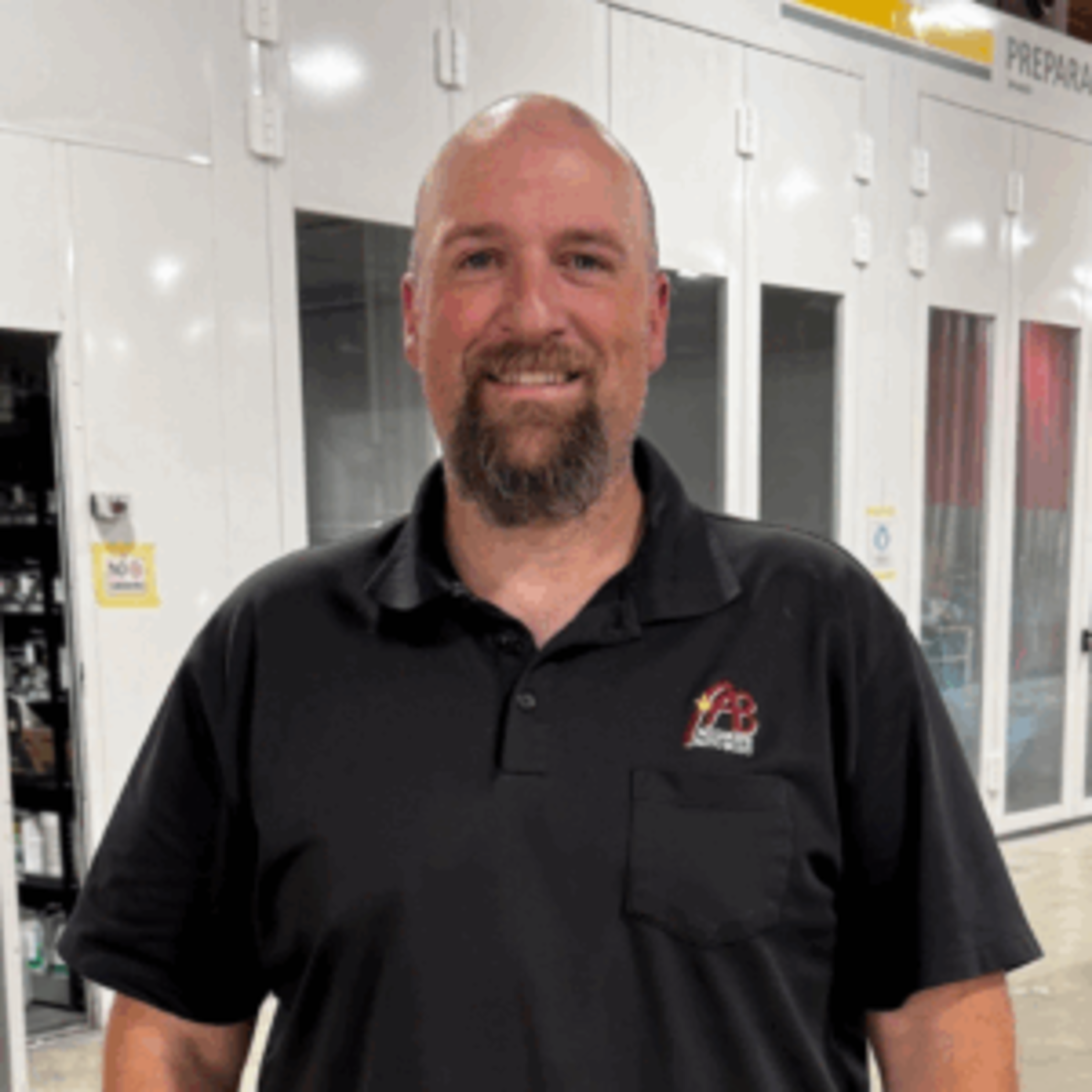
Feature image of Justin Lewis, Accurate Auto Body president, provided by Lewis.