
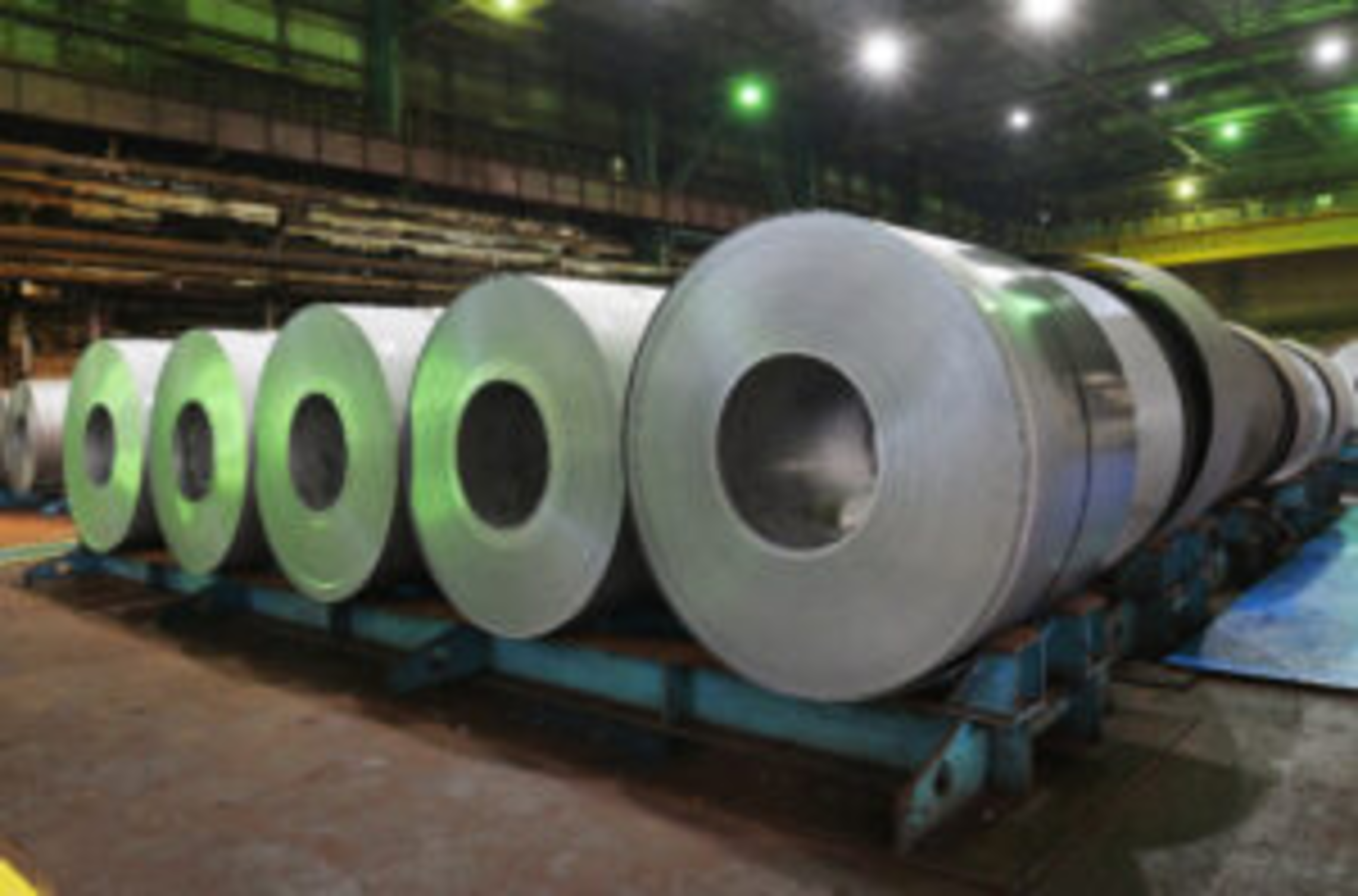
Tariffs added to an additional 407 steel and aluminium imports

As of Monday, 407 additional product lines that include steel and aluminium are included in the Trump Administration’s duty rate of 50%.
This includes imported parts for automotive exhaust systems and electrical steel needed for EVs, according to Reuters.
“A group of foreign automakers had urged the department not to add the parts, saying the U.S. does not have the domestic capacity to handle current demand,” Reuters reported. “Tesla unsuccessfully asked Commerce to reject a request to add steel products used in electric vehicle motors and wind turbines, saying there was no available U.S. capacity to produce steel for use in the drive unit of EVs.”
The U.S. Department of Commerce said the new tariffs cover wind turbines and their parts and components, mobile cranes, bulldozers and other heavy equipment, railcars, furniture, compressors and pumps, and hundreds of other products.
“Today’s action expands the reach of the steel and aluminum tariffs and shuts down avenues for circumvention — supporting the continued revitalization of the American steel and aluminum industries,” Secretary of Commerce for Industry and Security Jeffrey Kessler said in a news release.
The release says Trump’s February Proclamations 1085 and 10986 eliminated numerous “carve-outs” from the Section 232 steel and aluminum tariffs. It adds that it also “cracked down” on misclassifications and duty evasion schemes.
A complete list of the 407 product categories added on Monday can be found here.
An analysis completed for Claims Journal and published in June by Greg Horn, PartsTrader chief industry relations officer, found that retail prices for OEM parts and remanufactured parts had begun to rise, while aftermarket parts had not yet increased similarly.
“Roughly 44% of OEM parts used in collision repair are produced outside the United States, and many of these non-United States-Mexico-Canada Agreement-compliant parts are now subject to tariffs,” the article says. “As a result, OEM retail prices rose 2.1% from Q1 to Q2 2025, compared to a 1% increase during the same period in 2024. We have not seen the increase in parts pricing for aftermarket or recycled parts as of yet.”
The publication also created an inflation index to track prices of the top 20 major parts on the 20 most popular vehicles in collision repairs.
“Looking at this data on a weekly basis, we can pinpoint when and if inflationary pressures will impact these high-volume parts,” the article says. “Choosing the highest-volume parts is critical, as they are the first to have their stock replenished and will see the inflation pressure sooner. So far, we are seeing the same trend, with OEM new parts beginning to show some inflation impact at a higher rate than the same period last year, but with aftermarket parts prices remaining flat compared to the same period in 2024.”
Claims Journal also used parts pricing data from PartsTrader to mark up OEM and aftermarket parts, including variations by vehicle country of origin. Assuming the average number of replaced parts is 13.5 per estimate, it concluded that the potential impact could be between $80 and $100 more per repairable claim.
“There are several caveats to this number,” the article said. “With increased new vehicle prices because of the import tariffs and parts tariffs, we will likely see a spike in used vehicle prices, and therefore a higher total loss threshold, resulting in more repairable cars with more parts replaced.”
The average could be increased to 15 parts per repairable claim, the article says. This would also increase the tariff impact by about $9 to $11.
IMAGE
Photo courtesy of icarmen13/iStock