
GM, LG Energy joint venture making plans to ramp up production of low cost EV batteries

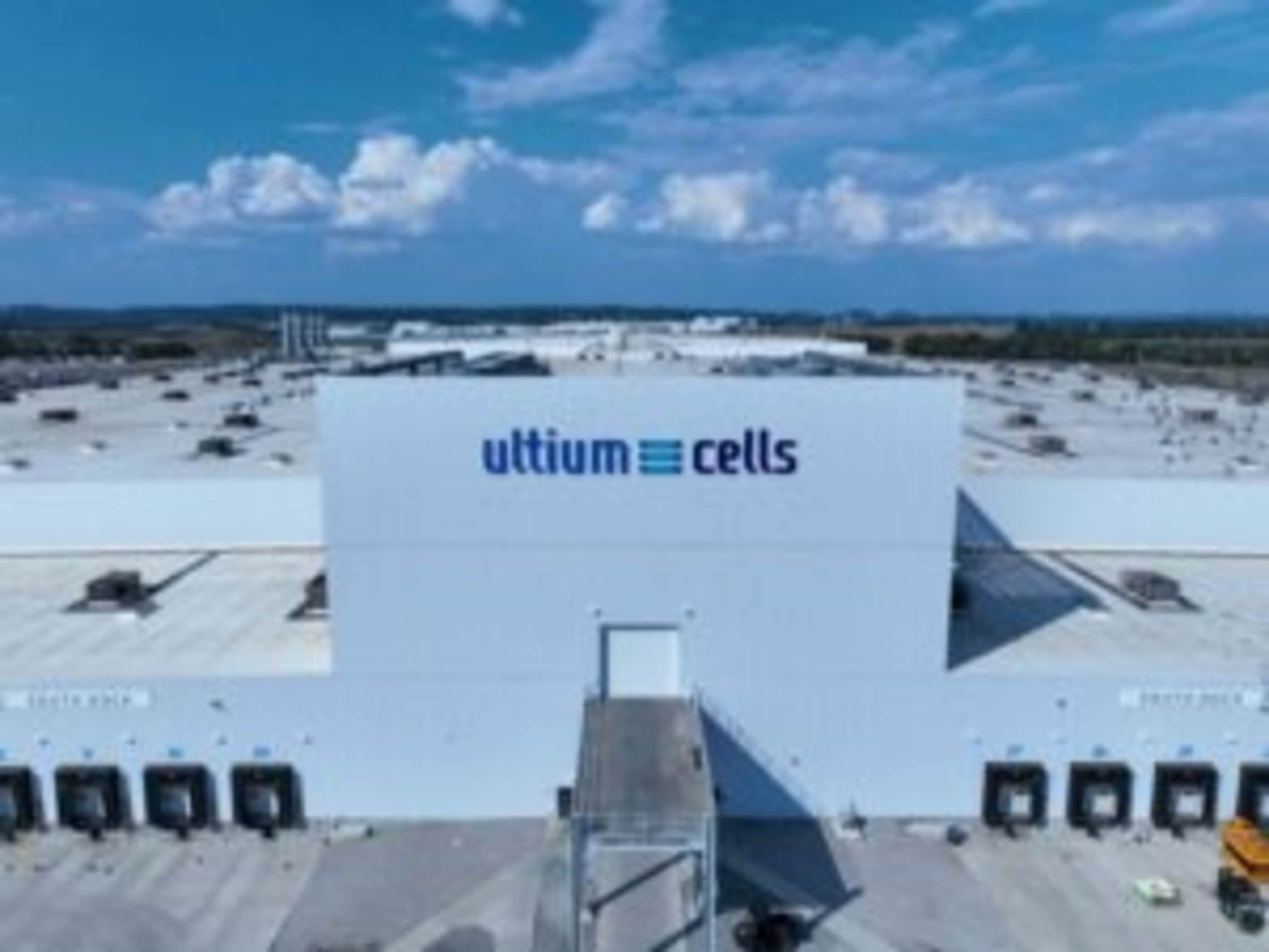
Ultium Cells LLC, a joint venture between General Motors and LG Energy Solution, announced that it will upgrade its Spring Hill, Tennessee, battery cell manufacturing facility to scale production of low-cost lithium-iron-phosphate battery cells, building on a $2.3 billion investment made in 2021.
Converting the battery cell lines is scheduled to begin later this year, with commercial production slated to occur by late 2027.
“At GM, we’re innovating battery technology to deliver the best mix of range, performance, and affordability to our EV customers,” said Kurt Kelty, GM’s VP of batteries, propulsion, and sustainability, in a press release. “This upgrade at Spring Hill will enable us to scale production of lower-cost LFP cell technologies in the U.S., complementing our high-nickel and future lithium manganese-rich [LMR] solutions and further diversifying our growing EV portfolio.”
GM says its flexible EV platform has been designed to enable the quick integration of multiple cell chemistries and form factors. The Ultium Cells plant in Warren, Ohio, will continue producing cells with nickel, cobalt, manganese, and aluminum chemistry. The companies say that chemistry has been key to GM delivering a range of crossovers with more than 300 miles of range on a charge.
With LFP battery technology, GM is targeting significant battery pack cost savings compared to today’s high-nickel battery pack while increasing consumer EV choice, according to the release.
“The upgrade reflects the continued strength of our partnership with General Motors and our shared commitment to advancing EV battery innovation,” said Wonjoon Suh, LG Energy Solution executive VP and head of the Advanced Automotive Battery division, in the release. “We will bring our extensive experience and expertise in U.S. manufacturing to the joint venture facility, further accelerating our efforts to deliver new chemistries and form factors that effectively capture the unmet needs in the EV market.”
In May, GM and LG Energy said their battery engineers have developed a new LMR prismatic battery cell that unlocks 33% higher energy density compared to the best-performing lithium iron phosphate (LFP) based cells at a comparable cost, according to the release.
GM’s electric truck platform has segment-leading range using high-nickel chemistry today, and by integrating LMR battery technology plus the manufacturing and space efficiency benefits of prismatic cells, GM said at the time that it aims to offer more than 400 miles of range in an electric truck, the release says.
Kee Eun, president and CEO of Ultium Cells, added, “We are grateful for the continued partnership and support we’ve received from the State of Tennessee as we continue to advance our lead in EV battery cell manufacturing. This investment expands our capabilities beyond a single battery cell chemistry, allowing us to produce new chemistries alongside our existing cells. Expanding our product portfolio ensures Ultium Cells will remain at the forefront of battery cell innovation and sustain our commitment to be a stable, long-term employer for the communities we serve.”
Images
Featured image: The Ultium Cells plant in Spring Hill, Tennessee. (Photo provided by GM)