
South Africa faces skilled body repair tech shortage, association highlights how to solve the issue

Arrive Alive reports that the South African Motor Body Repairers’ Association (SAMBRA), in partnership with the Retail Motor Industry Organisation (RMI), has begun intensifying its efforts to address a critical shortage of training opportunities in the vehicle body repair sector.
Due to a 2024 shift to occupational qualifications, the sector continues to face serious constraints in accessing accredited training providers, particularly for specialist trades like “spray painting and panel beating,” according to the article.
SAMBRA National Director Juan Hanekom told Arrive Alive that only 12 training providers accredited by the Manufacturing, Engineering and Related Services Sector Education and Training Authority (merSETA) are left.
“While the new occupational qualifications bring value, they require apprentices to spend up to one-third of their training at a provider over three years,” he said in the article. “The current infrastructure simply can’t support the demand, especially in rural areas.”
SAMBRA and RMI say they support the transition to a new training model from the Quality Council for Trades and Occupations (QCTO) that allows employers to provide the three components of the occupational certificate — knowledge, practical, and workplace — on-site. They are tracking a hybrid pilot project that offers online theoretical training and employer-provided practical and workplace training on-site, according to the article.
So far, 13 apprentices, six spray painters, and seven panel beaters have been placed with five RMI/SAMBRA employer members as part of the pilot, according to the article.
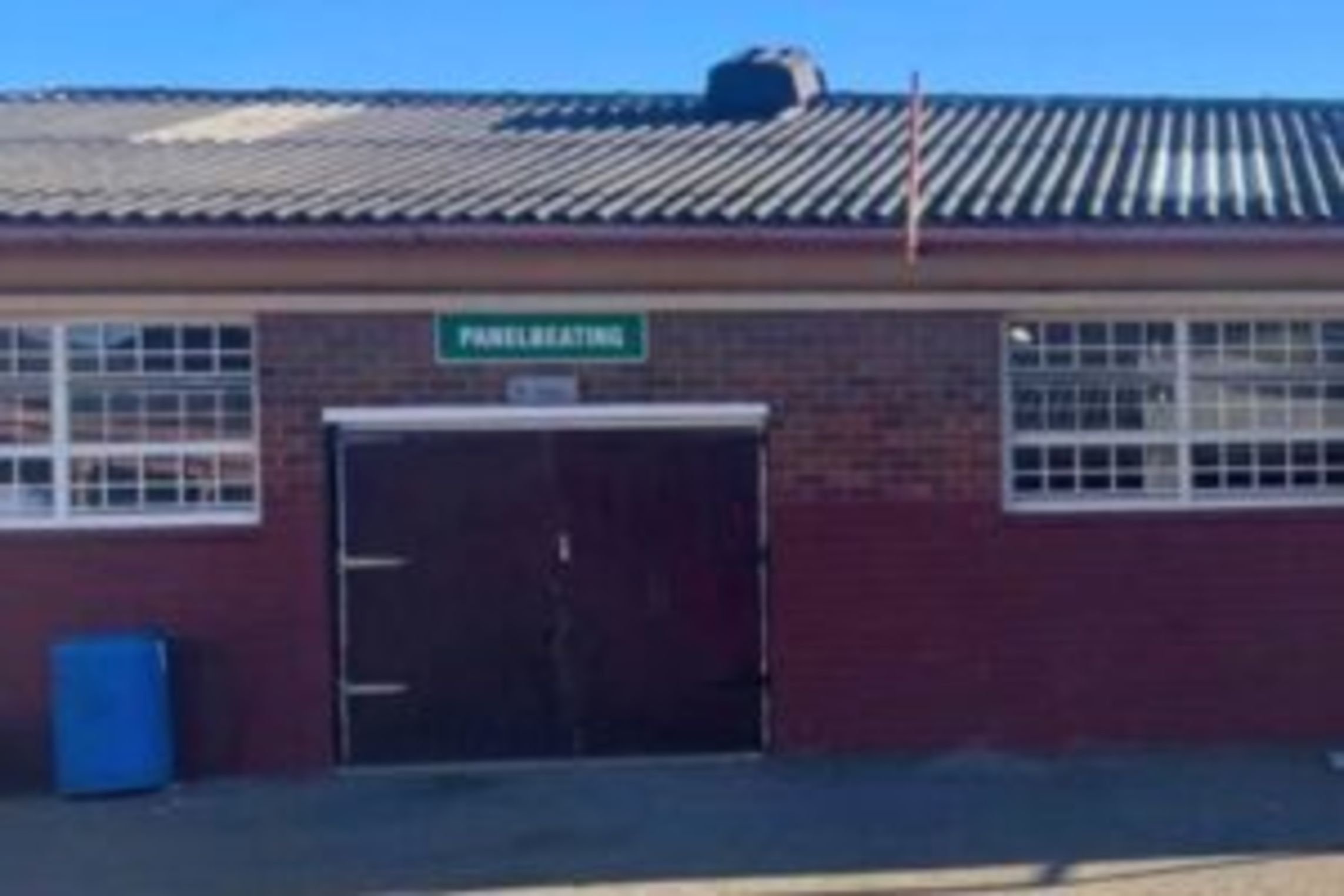
A July 10 SAMBRA press release also highlights what it calls a successful education program at Baysville School of Skills in East London based on a recent collaborative visit to the school.
“It was truly inspiring to witness the level of skill, commitment, and potential in the learners at Baysville,” said Abie Kriek, SAMBRA associational representative, in the release. “We came away with a renewed sense of purpose to strengthen ties with schools like Baysville that are nurturing the artisans of tomorrow.”
Hanekom added that the visit was a valuable opportunity for the team to engage with the school and reflect on how SAMBRA can further support technical skills development in the region.
“The motor body repair industry is opening doors for young men and women with a range of qualifications they can use to secure exciting career prospects in South Africa,” the release states. “Gone are the days when the sector was regarded as a men’s only profession. Today, these qualifications are highly sought after, and women are making waves in the industry with their attention to detail and technical skills.”

“Anyone can succeed in the learning opportunities we offer, regardless of the challenges they may face in their personal circumstances,” Hanekom said. “All you need is passion for the trade, commitment, and discipline.”
He also emphasized that apprenticeships are a powerful way to build a sustainable career in a sector that urgently needs more skilled artisans.
Baysville School of Skills places a strong focus on practical training in trades, such as panel beating and spray painting, according to the release.
“At Baysville, we believe every child has potential. We just need to provide the right environment for them to grow,” said Werner Oosthuizen, Baysville Deputy principal and head of technical, in the release. “Through hands-on workshops and mentorship from skilled artisans, our learners develop confidence, discipline, and highly employable skills.”
Students in the school’s panel beating and spray painting workshops work on real customer vehicles, producing results that rival those of seasoned professionals, the release says.
“With a 95% employment rate among panel beating graduates and the Eastern Cape’s only school-level spray painting workshop, Baysville stands out as a training hub of note,” the release states. “Despite its success, Baysville operates under serious financial constraints. The school receives no government funding and relies almost entirely on school fees, of which only 42% are collected annually. Yet the commitment of its staff remains unwavering.”
SAMBRA says it’s important to support institutions like Baysville and the urgent need to grow the number of registered apprentices in South Africa’s motor body repair sector.
“What this school achieves with limited resources is nothing short of extraordinary,” said Hanekom in the release. “It’s a perfect example of why we must support institutions that offer a second chance to young people who may otherwise fall through the cracks. The reality is that not all students are suited for an academic high school, and Baysville provides an excellent alternative to unlock their full potential.”
The number of registered apprentices in South Africa’s motor body repair sector has been declining since 2014, he said.
Apprenticeships combining theory, practical skills, and workplace training offer a valuable entry point into a trade where demand for skilled artisans remains high, the release states.
SAMBRA and RMI plan to continue their engagement with Baysville, exploring ways to assist with training resources, workplace approvals, and mentorship at accredited SAMBRA Motor Body Repairers in the region, according to the release.
“This is not just a partnership,” said Hanekom. “It’s a shared vision to ensure every young South African, regardless of their circumstances, has a pathway to a dignified and sustainable career.”
Images
All images provided by SAMBRA from Baysville School of Skills tour.