
California South Coast Air Quality unanimously approves prohibition of 2 cleaning solvents

The California South Coast Air Quality Management District (SCAQMD) Governing Board unanimously approved revisions to Rule 1171 on Friday, which applies to compliant cleaning operations using solvents to remove oil, grease, and other contaminants.
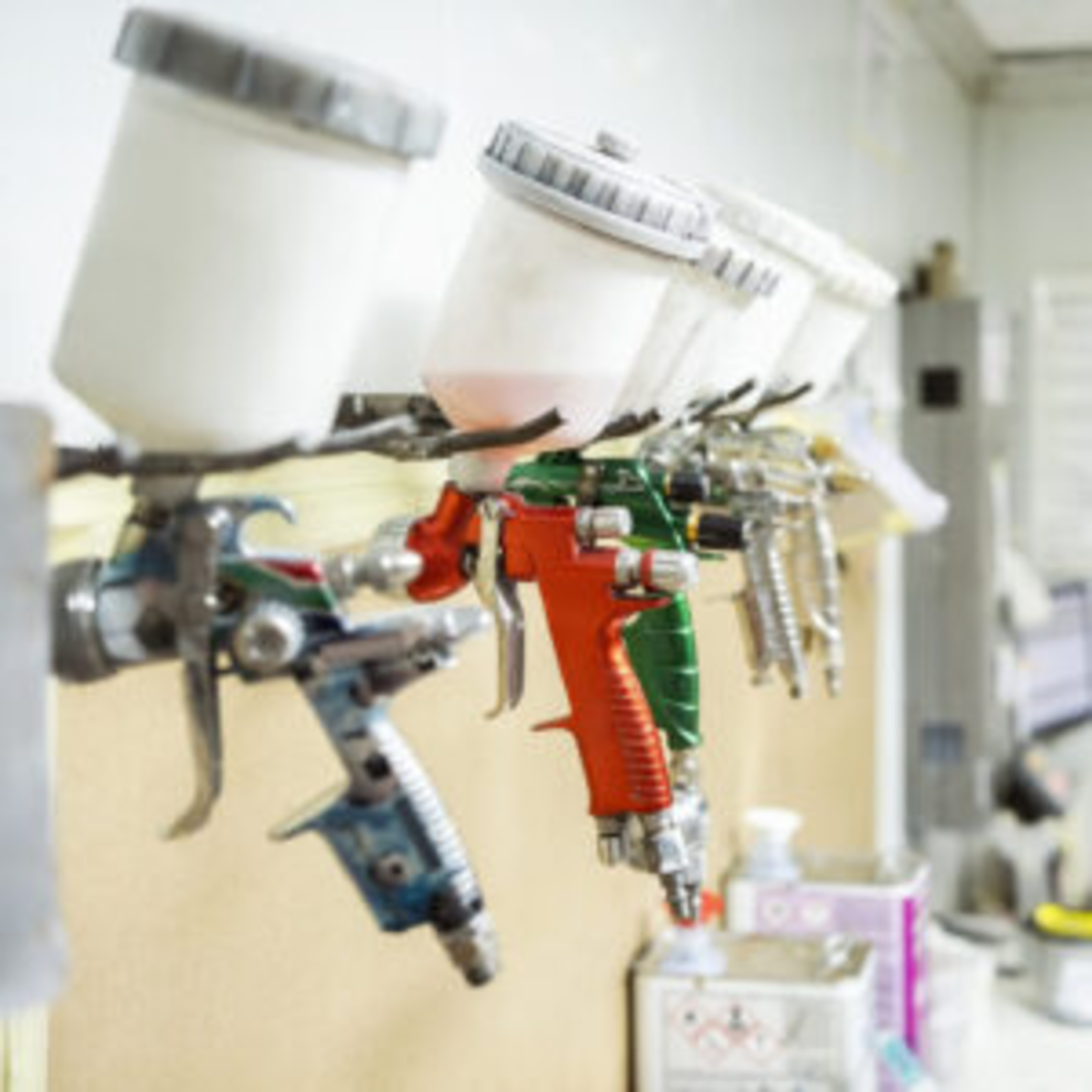
The rule was adopted in 1991 and last revised in 2009 to limit volatile organic compound (VOC) emissions in the use, storage, and disposal of solvent-cleaning materials, such as wiping clean by hand or spray gun cleaning. Part of the reasoning behind amending the rule was to reduce emissions from auto body shops.
Following the Office of Environmental Health Hazard Assessment (OEHHA)’s determination in 2020 that tertbutyl acetate (t-BAc) and parachlorobenzotrifluoride (pCBtF) contain carcinogens, it was recommended that both be prohibited for sale and use within the district.
The amended rule will prohibit the use of cleaning solvents with t-BAc and pCBtF beginning Jan. 1. According to SCAQMD staff, t-BAc wasn’t found in any solvent cleaning formulations in use, and pCBtF is in limited use with suitable alternatives widely available.
The board approved allowing an 18-month sell-through of products already in the supply chain that contain the solvents and a 30-month use-through at the shop level. Aerosols are exempt from the rule changes.
Alternative reactivity-based VOC limits will now be allowed for general cleaning products to provide for formulation flexibility, according to the staff and board.
SCAQMD announced its proposed revisions in January 2024 and has since held three working group meetings and one public workshop.
The rule now includes two new recordkeeping requirements that staff and the board said will ensure enforceability. If a remote reservoir cleaning system is repaired, a record of the repair must be kept. VOC content and usage quantities are to be maintained by operators, similar to recordkeeping for Rule 109.
Images
Featured image credit: NickyLloyd/iStock