
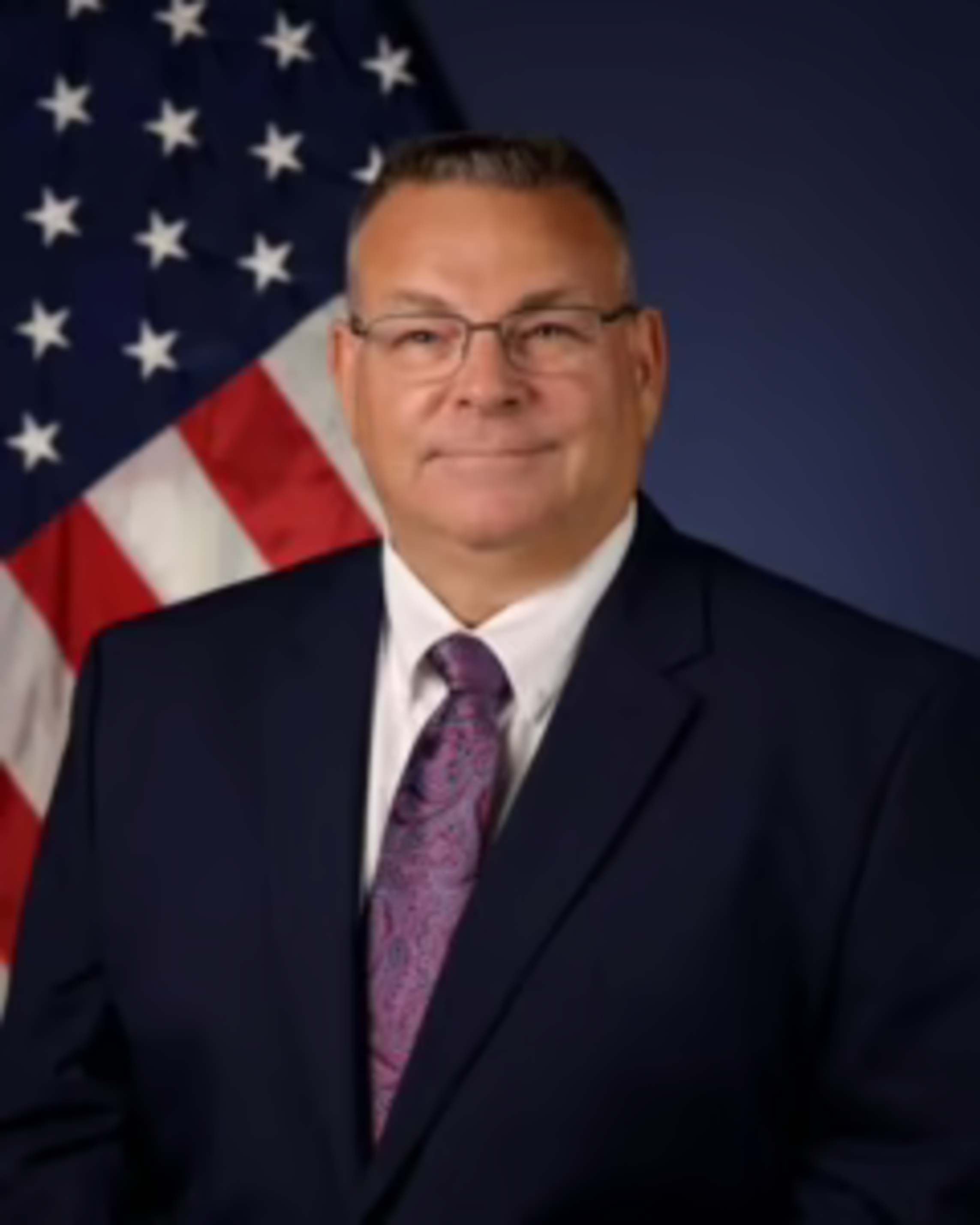
NHTSA deputy administrator to speak as part of SCRS education series at SEMA

National Highway Traffic Safety Administration (NHTSA) Deputy Administrator Lee White will open the Society of Collision Repair Specialists’ (SCRS) 2026 OEM Collision Repair Technology Summit during the SEMA Show in Las Vegas.
White will present on the agency’s current vehicle and roadway safety priorities, emerging transportation technologies, data-driven research, and the federal government’s work with the industry to reduce fatalities and serious injuries, an SCRS release states.
The session “The National Safety Objective: Safer Vehicles, Safer Roads,” will be held Thursday, Nov. 5 from 12:30-1:30 p.m.
Register for the session here and all three OEM Summit sessions here.
The OEM Collision Repair Technology Summit is part of SCRS’ Repairer Driven Education (RDE) series held Nov. 3-6 during the SEMA Show.
Register for a full series pass here. Early bird pricing is available through Sept. 25.
Following White’s presentation, he will sit down with Aaron Schulenburg, SCRS executive director, for a one-on-one conversation exploring the intersection between federal safety objectives, automotive innovation, and the collision repair industry’s role in preserving vehicle safety throughout its service life.
The conversation will cover:
-
- NHTSA safety priorities
- Automated and advanced vehicle technologies
- Data and research
- Emerging safety risks
- Industry collaboration
- The role of repair in maintaining vehicle safety
“White provides executive leadership for the federal agency that establishes and enforces vehicle safety standards and educates Americans about roadway safety,” the SCRS release states. “His work includes developing and executing the federal regulatory framework for automated vehicles, using research and data to guide safety initiatives, and positioning the agency to address emerging vehicle technologies.”
He previously served as the deputy assistant secretary for research and technology at the U.S. Department of Transportation. While in the position, SCRS says White developed strategic recommendations to steer and optimize transportation research policies and programs and directed the implementation and day-to-day management of research and technology programs supporting the department’s innovation agenda.
“Throughout his career, White has held multiple leadership roles and served as a consultant developing strategies, business models, and roadmaps for automated vehicle operations,” the SCRS release states. “He also served as vice president of strategy for an automated vehicle company, where he established an automated vehicle freight network business model, partnerships, and operations.”
NHTSA sits at the center of many discussions that impact the collision repair industry.
During a July Collision Industry Conference meeting, Schulenburg discussed NHTSA’s investigation into counterfeit airbags with Teena Bohi, an Automotive Anti-Counterfeiting Council (A2C2) Board member.
NHTSA announced in April that it has banned one type of counterfeit airbag part. Before the ban, it also issued an “urgent” industry alert specifically asking the auto repair industry to look for dangerous airbag inflators.
“NHTSA urgently advises to not install substandard inflators from this company and to ensure any used vehicles that have been in a previous crash where the airbag deployed now have airbags that are legitimate replacements,” the alert states. “All parties should be extremely cautious about sourcing airbag modules and utilize verifiable vendors.”
It also asked that the auto repair industry share any pertinent information with NHTSA immediately.
The agency also released guidance on identifying a DTN airbag. The document outlines the materials and design characteristics that can indicate whether an airbag is a counterfeit. DTN airbags are also often marked with DTN60DB. Yet, it can be hard to identify DTN airbags when they’re still installed in a vehicle.
Repair procedures are impacted by NHTSA-mandated vehicle safety technology. This includes mandating backup cameras in all new vehicles under 10,000 pounds as of May 2018.
It also has a final rule that mandates automatic emergency braking (AEB) in pedestrian vehicles by September 2029.
However, NHTSA also announced it paused the rule to give the Trump administration time to review it following pushback and a lawsuit filed by the Alliance of Automotive Innovation (Auto Innovators).
Image
Photo of National Highway Traffic Safety Administration (NHTSA) Deputy Administrator Lee White provided by SCRS.