
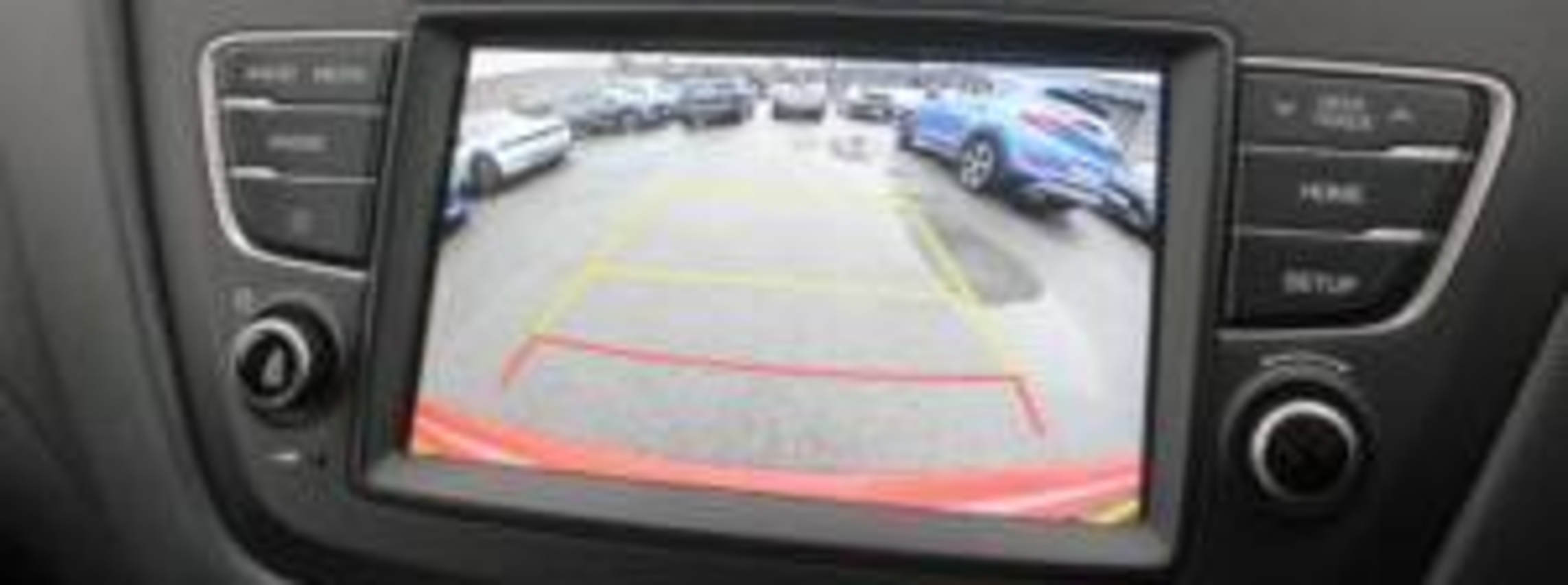
Bloomberg finds 21 milion vehicles recalled because of backup cameras

A Bloomberg analysis has found that 21 million vehicles have been recalled for faulty backup cameras since 2018.
A 2014 National Highway Traffic Safety Administration (NHTSA) final rule mandated the safety system technology in all new vehicles under 10,000 pounds by May 2018.
Bloomberg’s analysis also found consumers have filed about 2,000 complaints with NHTSA regarding glitchy cameras.
Chris Harvey, senior vice president for Sedgwick, a third-party claims administrator that works with companies on product recalls, told Automotive News that the more complicated technology becomes, the more potential failure points.
Stellantis is one of the most recent automakers to announce a recall including 848,511 vehicles due to backup camera issues.
A news release from the automaker says the Chrysler, Dodge, Jeep, and Ram recall is voluntary to address radio software that may prevent the rearview camera image from appearing on the vehicle’s media screen. It said it is unaware of any related accidents or injuries.
NHTSA has continued to make steps to mandate safety systems in vehicles, including one for automatic emergency braking (AEB) in pedestrian vehicles by September 2029.
However, NHTSA also announced it paused the rule to give the Trump administration time to review it following pushback and a lawsuit filed by the Alliance of Automotive Innovation (Auto Innovators).
In a June 2024 letter to Congress, John Bozzella, Auto Innovators president and CEO, wrote NHTSA’s new standard is “practically impossible with available technology” and that “NHTSA’s own data shows only one tested vehicle met the stopping distance requirements in the final rule.”
“Automakers and suppliers provided NHTSA [with] a series of technical adjustments during the comment period to correct the deficiencies and achieve our shared safety goals,” Bozzella said. “Despite partnering with automakers on AEB in 2016, this time the agency rejected the industry’s feedback. …after a decade of shared and substantive work on AEB and a billion dollars invested, NHTSA inexplicably changed course and issued a rule that automakers indicated was not feasible with widely used braking technologies.”
Image
Photo courtesy of ABPPhotography/iStock