
Calibrations grew 31.4% in 2025, Mitchell data shows

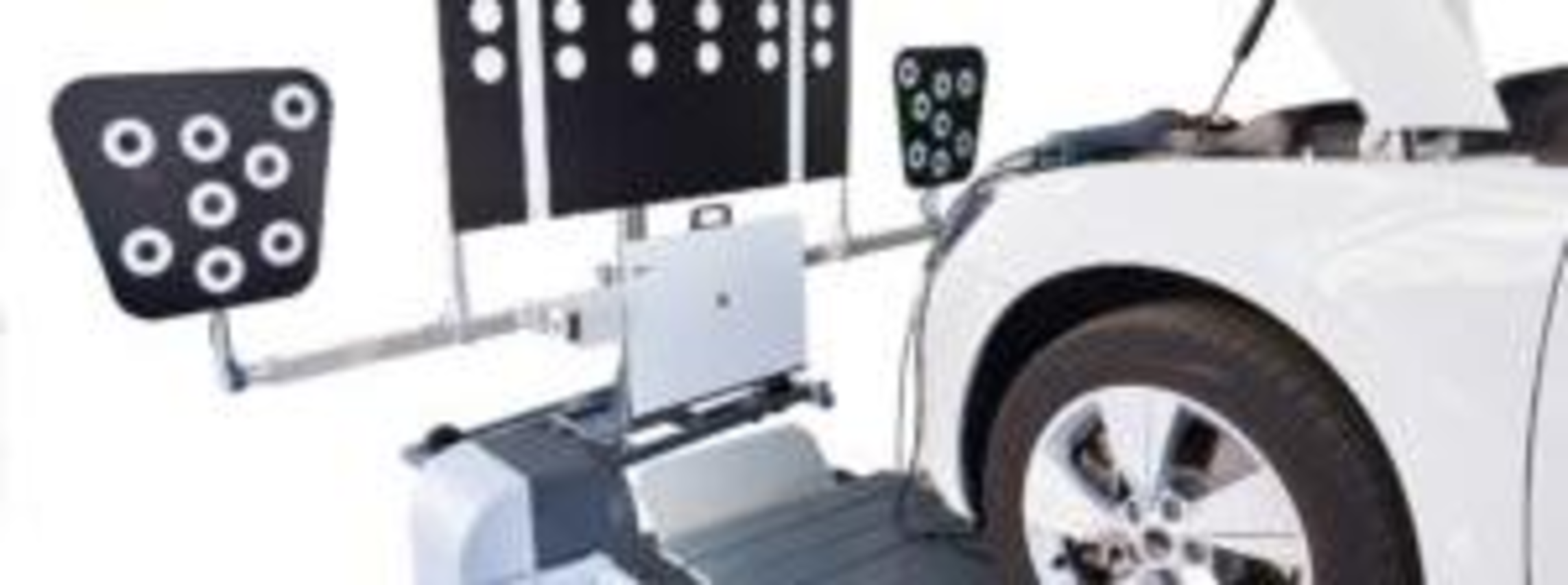
The percentage of estimates with a calibration line grew by 31.4% year over year in 2025, according to new data from Mitchell.
Mitchell’s data, found in the Enlyte Envision Trends 2026 Report, shows that the number of calibrations by repair also grew by about 10% in 2025.
The report puts an importance on the repair of vehicles with ADAS components saying that they are sensitive to alignment, mounting and even minor body dimension changes.

“Failure to identify and complete required calibrations can compromise system performance and create financial and liability exposure for insurers and repairers,” the release states.
It adds that when collision centers invest in technology to identify manufacturer-recommended calibrations and perform them in-house, they may be better positioned to reduce repair delays, improve scheduling control, generate additional revenue, and maintain tighter oversight of repair quality.
The report also explores supply chain shifts affecting parts.
“Part prices began to increase last summer and continue to rise as manufacturers look for ways to claw back tariff losses,” the report states.

OEM prices increased 4.21%, in comparison to 3.52% in 2024. Aftermarket parts also increased at a rate of 3.89% in 2025. Aftermarket parts increased by 3.08% in 2024.
“While the U.S. Supreme Court nullified tariffs levied under the International Emergency Economic Powers Act (IEEPA), the tariffs on the auto industry remain in place, including whole vehicles, parts and several key components and raw materials that were imposed under Section 232 of the Trade Expansion Act of 1962,” the report states. “As a result, it is likely that costs will continue rising for the foreseeable future, especially when coupled with the threat of growing manufacturing expenses from higher oil prices.”
Plastic components such as bumper covers and headlamps have also seen pricing increases, the report states. It adds that this reflects greater OEM reliance on globally sourced materials used in plastic parts manufacturing.
“Although supply chains have shown their resilience over the past 18 months, vehicle manufacturers shifting the geographic footprint of their supplier base is adding complexity and may also create gaps that impact parts availability,” the report states.
The report suggests that collision centers and carriers should develop relationships with suppliers, including OEMs, aftermarket, recyclers and remanufacturers. It also suggests maintaining flexible sourcing strategies.
Another suggestion in the report is to repair instead of replace parts, as it notes that Mitchell data shows that keys-to-keys cycle times for drivable repairs under $5,000 in total severity were completed eight-tenths of a day quicker when the estimate included at least one “repair” line.

Mitchell data shows that collision centers may already be deciding to repair over replace more, with the percentage of parts repaired increasing for the first time in more than a decade.
Repaired parts jumped from 14.8% in 2024 to 15.5% in 2025, the report states.
“The decision to repair or replace a part must first focus on the final quality of the operation,” the report says. “However, cost and cycle time should also be considered. When replacement is required, disciplined procurement practices can help manage price volatility and availability constraints.”
Image
Photo courtesy of sergeyryzhov/iStock