
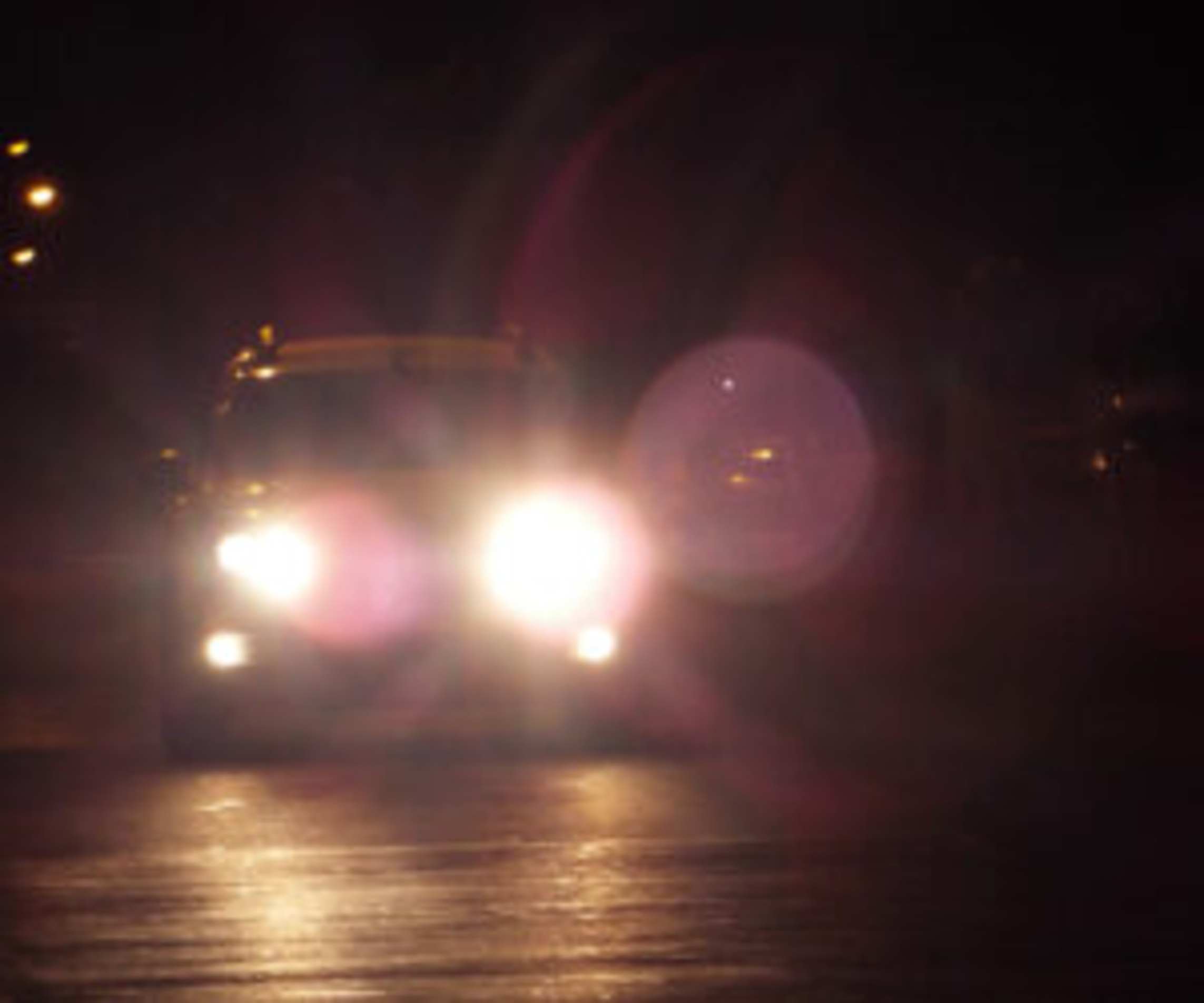
AAA survey finds 6 in 10 U.S. drivers cite headlight glare as problem, one-third say it’s ‘intensified’

A new AAA survey reveals that 6 in 10 drivers say headlight glare is a problem after dark, and 73% of those affected believe it has intensified over the past decade.
The findings are renewing concerns about road safety, headlight regulations, and modern lighting standards, a AAA press release states.
“Headlight glare has become a major source of frustration and concern for millions of drivers,” said Greg Brannon, director of automotive engineering and research at AAA, in the release. “As vehicle lighting technology evolves, so must our understanding of glare, its impact, and the steps drivers can take to maintain safety.”
“Driven by several factors, including new headlight technologies and taller vehicle designs, drivers are becoming frustrated with the issue of headlight glare.”
Most drivers who experience glare cite oncoming headlights as the primary cause, with 92% identifying it as their top concern.
About one-third also report glare issues in their rearview or side mirrors.
At the same time, AAA’s latest testing shows significant progress in nighttime pedestrian automatic emergency braking (PAEB) performance, with impact avoidance improving from 0% in 2019 to 60% in 2025, the release states. AAA surmises that some of this increase could be due to improved sensor visibility in headlight design.
The survey was conducted Feb. 5-8 online and by phone using a probability-based panel designed to be representative of the U.S. overall household population, providing sample coverage of 97%. A total of 1,092 interviews were completed among U.S. adults, 18 years of age or older.
Survey results show that drivers who wear prescription glasses (70%) experience more glare than those who do not (56%), and pickup truck drivers are less likely to report glare (41%) than drivers of other vehicle types (66%). It found that female drivers (70%) report glare more often than male drivers (57%).
Age alone does not show a statistically significant impact on the likelihood of reporting glare as an issue, according to the survey results.
AAA also found that the driver’s height doesn’t significantly influence the likelihood of experiencing glare.

AAA recommends the following to reduce headlight glare and improve overall nighttime visibility:
-
- Ensure both headlights are clean, fully functional, and of the original equipment manufacturer (OEM) design
- Avoid looking directly at oncoming headlights to maintain visibility
- Have headlight inspections, replacements, and aim adjustments conducted by a professional auto repair facility
AAA says it will continue to research the topic and provide recommendations on how it can work with the industry “to balance the ability to safely see the roadway with the growing concerns around headlight glare.”
In October, the Insurance Institute for Highway Safety (IIHS) reported that while complaints from drivers about blinding headlights were increasing, glare only causes “a tiny fraction” of nighttime crashes.
IIHS found that the percentage of nighttime crashes caused by headlight glare changed little over the past decade. And from 2015 to 2023, it was cited as a factor in only one or two out of every 1,000 nighttime crashes across 11 U.S. states, according to IIHS’s new study.
Federal headlight standards for minimum and maximum brightness haven’t changed since 1997; however, the headlight rating program begun by IIHS in 2016 has helped to drive a shift in headlight design in the U.S. fleet, according to IIHS.
In February, a Canadian local government body echoed complaints and called for legislation similar to that of U.S. lawmakers regarding headlight brightness, according to the National Post.
Video shared by the news publication of a January Vancouver City Council Standing Committee on Policy and Strategic Priorities meeting includes Councillor Sean Orr’s motion to ask the federal government to mandate headlight limits. He called it a “practical public safety motion” to reaffirm the council’s commitment to safe and walkable streets.
Last August, Rep. Marie Gluesenkamp Perez (D-WA-03), and a former co-owner of an automotive repair shop, brought the issue as an amendment to the FY26 Transportation, Housing and Urban Development, and Related Agencies appropriations bill. It requests a study of the impact of headlight brightness and a maximum brightness standard.
Images
Featured image credit: Bhanuentity/iStock
Graph provided by AAA