
Testifiers in Maryland hearing say repairers aren’t being ‘locked out of vehicle data’

A “right to repair” bill has been introduced in the Maryland House that would require automakers to “provide certain information and tools related to the diagnosis, service, and repair of motor vehicles to certain owners and independent repair facilities under certain circumstances.”
However, those who testified in opposition to House Bill 1429 before the House Economic Matters Committee on Tuesday said access is already available. The bill would also apply to farm equipment.
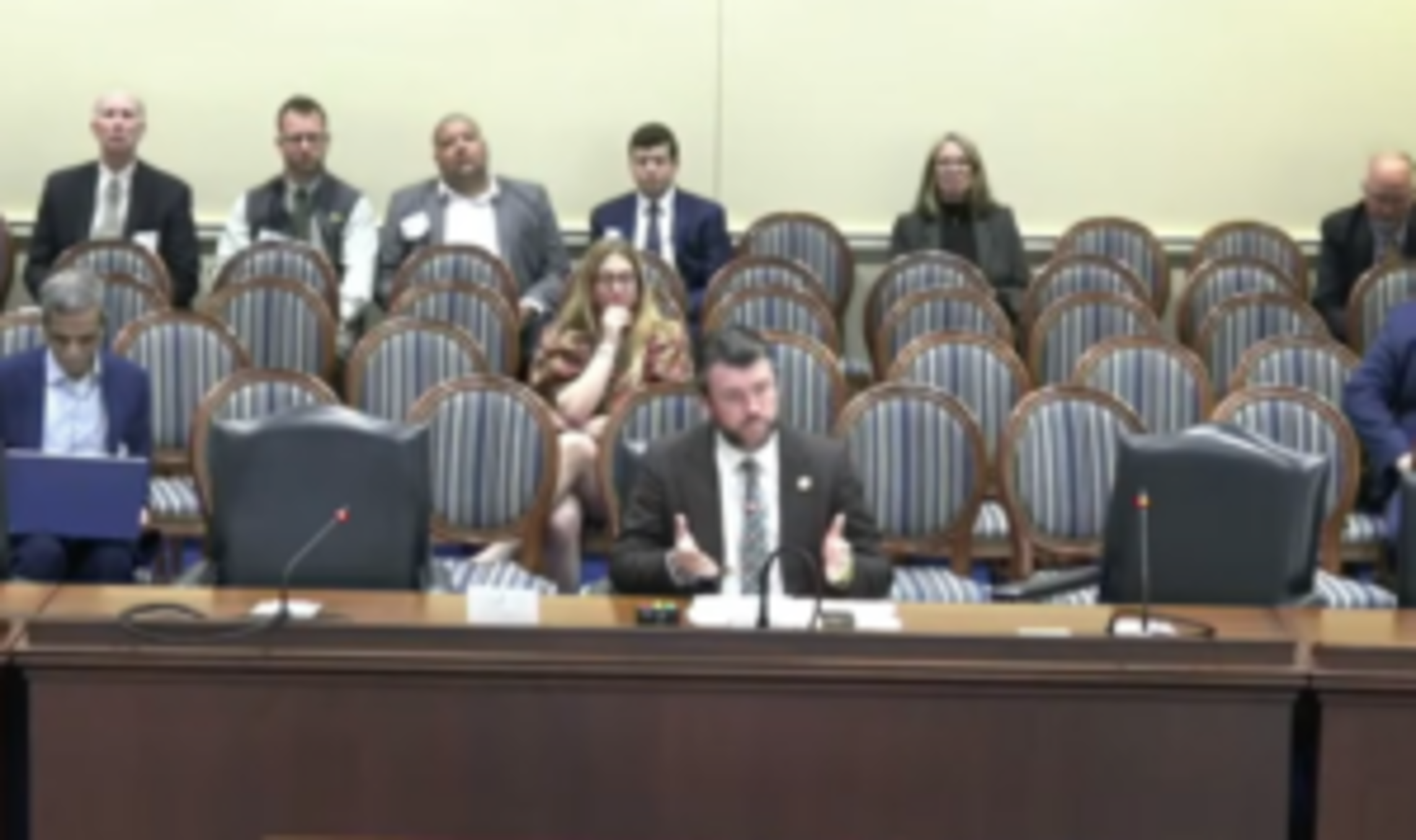
Sponsor Del. Kevin Hornberger (R-District 35B) said right to repair is a nationwide issue, and the bill in Maryland is perennial because he has sponsored it for a number of years. The same committee questioned the necessity of a right to repair bill last year, which was carried over from 2023.
“It gives the consumer and independent shops the ability to fix their devices, and it requires manufacturers to provide parts, tools, software, and diagnostics for those things that they buy,” he said. “The whole concept here is if you purchase something, you own it, and you have the ability, if you so choose, to repair it yourself or to take it to an independent shop.
“This is playing out now in many states, and where we actually adopted this language from is very similar to Massachusetts. Massachusetts is the leader on this issue. Not only have they passed right to repair for automotive and the like, they’ve taken it to court, it’s gone to their Supreme Court, they’ve been sued numerous times, [and there have been] multiple ballot initiatives. It’s passed, it’s held up, it’s been effective, and then they’ve even expanded it to include telematics, which are outlined in the bill.”
Hornberger noted that the committee passed a similar R2R bill last year that was specific to wheelchairs.
A panel of witnesses testified on HB 1429 before the committee.
Josh Fisher, Alliance for Automotive Innovation state affairs senior director, testified that while the alliance is one of the biggest supporters of right to repair, it must oppose HB 1429.
“Unfortunately, House Bill 1429 is built on a fundamental misunderstanding of the modern repair marketplace,” he said. “It proceeds under the premise that independent repair shops are being locked out of vehicle data. This premise is simply wrong. And here’s the truth: automakers already make available to independent repair businesses all of the information needed to diagnose and repair a vehicle. Our members are the gold standard when it comes to providing consumers with a range of options to seek repairs.”
Fisher added that the availability of OEM repair information and tools allows consumers to have their vehicles repaired at authorized dealers, national chain repair shops, independent repair shops, or do it themselves.
“In 2013, we partnered with two national associations that represent independent repairs, the folks who this bill is ostensibly for, to announce a new national repair agreement that ensures repair access to all information needed to complete a repair, including vehicle telematics data,” he said. “It’s important to note our agreement is backed by the very people this bill claims to help — thousands of real-world collision and mechanical repair professionals across all 50 states.”
Peter Kitzmiller, president of the Maryland Automobile Dealers Association, and several representatives of the farm equipment repair and supplies industry also testified against the bill.
Kitzmiller stated that independent repair shops compelete 70% of non-warranty vehicle repairs, noting that “couldn’t happen if they didn’t have the information to prepare the vehicle.”
“So consumers do have a choice in the marketplace,” he said. “Every one of my members works on all types of vehicles. They don’t just work on vehicles for which they hold a franchise… We get the information we need to fix that vehicle in the same place that the independent repair shops do. The information is available. It’s available across the board. It includes, now, telematics.”
In response to the witnesses who testified in opposition, Committee member Del. Veronica Turner (D-District 26) questioned the necessity of the bill, stating that anyone who needs automotive or farm equipment parts or repairs can go to automaker dealerships, independent repairers, and parts suppliers.
Fisher agreed with her sentiment.
“On the auto side, if you’ve ever taken your vehicle anywhere but a dealership, to an independent repair shop, you’ve already benefited from auto right to repair because if the automakers did not share the repair information with those shops, they would not be able to repair your vehicle,” he said. “Seventy percent of non-warranty work takes place at an independent repair shop. If this bill were necessary, that number would be zero because then you wouldn’t be able to take your vehicle to an independent repair shop, but you can.”
Only one person spoke in support of the bill, Kurt McCauley, who said he was a proponent on behalf of independent repair shops but didn’t identify himself further.
He testified that it’s more expensive for consumers to go to dealerships for repairs vs. independent repairers; however, the latter don’t have access to the necessary repair information and telematics data, he said.
“It’s a consumer bill, [it’s] good for the consumer,” McCauley said. “It’s good for our independent repair shops. Another thing it does — consumers have their choice of where they want to go. They can save money, save gas, and keep the purchase in the neighborhood. It’s just a good, all-around bill.”
Images
Featured image: Maryland Del. Kevin Hornberger (R-District 35B) speaks on HB 1429 during a March 10, 2026, hearing before the House Economic Matters Committee. (YouTube screenshot)