
Utah OEM replacement parts bill passes House

A bill in Utah that would require the use of OEM crash parts has passed the House following a favorable recommendation from its Transportation Committee.
As amended, HB 119 would require auto insurance policies at the time of purchase to include “ a clear and conspicuous disclosure of whether the insurer intends to use non-OEM aftermarket crash parts or OEM aftermarket crash parts for repairs.”
It would also require insurers to use crash parts that are “substantially equivalent to original equipment manufacturer aftermarket repair parts.”
The original bill would’ve given vehicle owners the right to sue insurers who don’t use substantially equivalent parts; however, the Transportation Committee amended it during a Feb. 13 hearing to remove that portion.
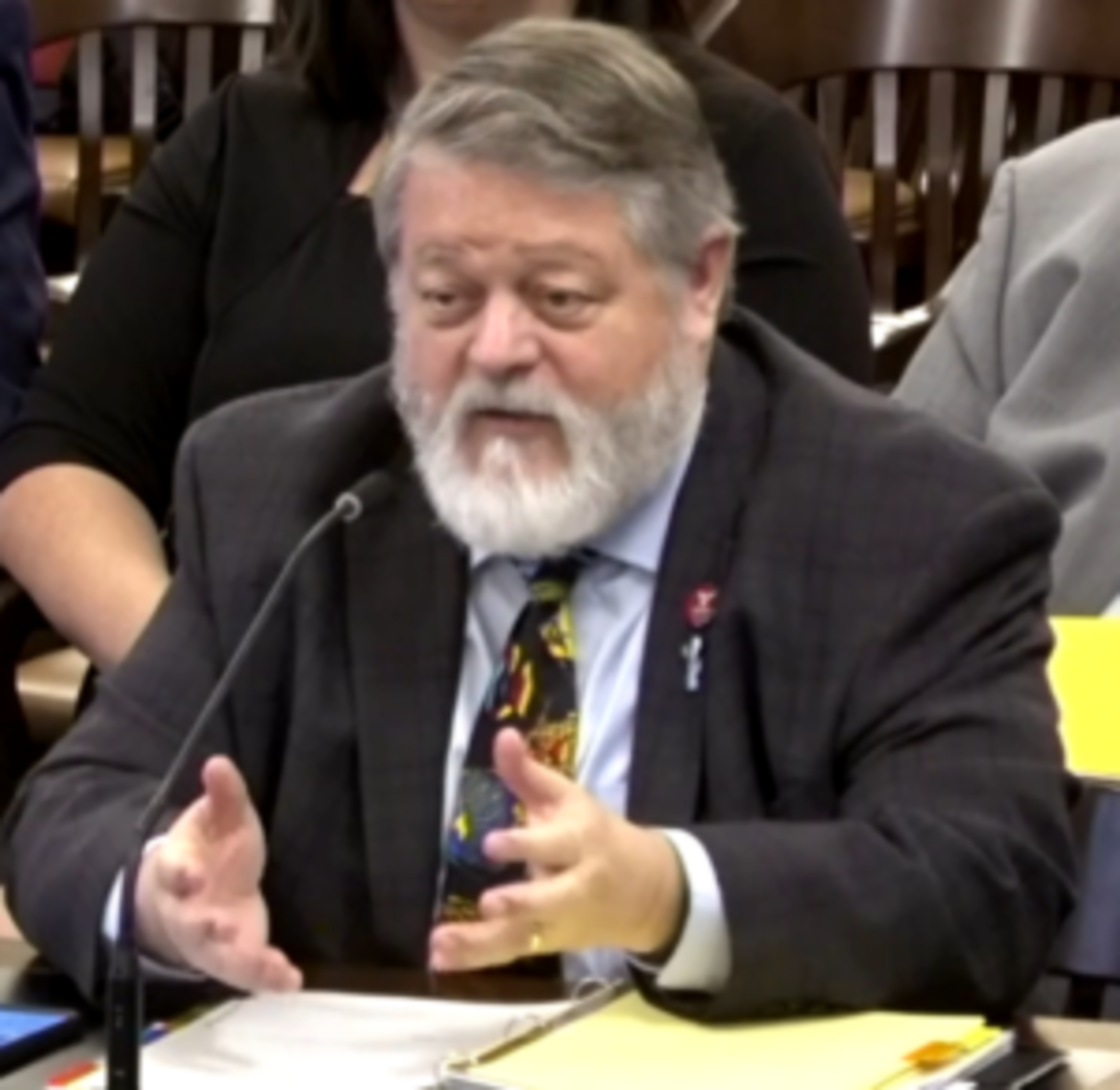
“In our new cars, we have a lot of sensors and radar, and all of those things that, in order for them to continue to work, they have to be repaired with the parts that are made to run the radars and the sensors, so it’s gone from a cosmetic thing to a safety thing,” said bill sponsor Rep. Colin Jack (R-District 73) during the hearing.
“What we have found is that there is not always, in fact, maybe seldom, money set aside to bring our cars back to where we thought they would be. We’re finding that the auto body shops are instructed by the insurance companies that they need to buy a lesser part.”
The bill would require consumers to be informed of whether their insurance policies would cover OEM or non-OEM crash parts.
Gavin Magor, director of research and ratings at Florida-based Weiss Ratings, testified that insurers argue non-OEM crash parts save money. However, he said P&C insurers offering auto insurance in Utah made $28.4 billion in 2024, the most profitable year since 2015.
“The issue at case should not be all about the money because they are able to generate this income that they need to be able to meet a policyholder’s demands,” he said. “A policyholder deserves to have a vehicle that is going to resemble, both in function and form, what they’ve paid for… This is about choice. This is about if you want a premium that is low, and they’re going to use parts that are not original equipment, that should at least be disclosed. This should not be a complicated issue.”
Sam Plumb, Alpine Auto Renovation, testified that insurers don’t choose replacement parts from providers and vendors known for quality and trustworthy parts.
“They literally go to the cheapest part available and put that on the estimate without any regard for anything — not where it’s coming from, not shipping times, not shipping costs, not return fees or restocking fees or any of those things, or quality,” he said. “None of these aftermarket parts are crash tested, none of them, so that means that nobody really knows how they respond in a crash. When they look at these things, they aren’t looking at anything but price.”
Jack clarified that the bill wouldn’t require the use of OEM parts, but rather ensure that if they aren’t used, they would meet the same level of quality as OEM parts.
Alpine Body Shop and Higgins Body and Paint testified in favor of the bill, citing concerns that most customers aren’t aware of their replacement parts options.
Richard Seaman, Salt Lake Valley Auto Group and Sky Auto Group, testified that insurance companies seem to “care more about price than safety.”
“They care about saving as much as they possibly can and about getting the car back on the road as fast as they can, so they don’t have to pay for rental car fees and such,” he said.
Seaman noted that nearly every OEM provides supplements to dealers who sell used OEM parts at competitive, lower prices compared to new parts.
Dave Kallas, with the National Association of Mutual Insurance Companies, argued that the bill could cause a ban on the use of non-OEM parts.
“Currently, if you sign up for an insurance policy, in the policy documents, it describes parts that can be used, and so you’re choosing a policy that can use OEM or non-OEM or other parts,” he said. “You can already purchase the [OEM] rider.”
He added that it “might be an impossibility” for insurance companies to ensure the quality of replacement parts, as well as their function, fit, finish, performance, weight, and metal hardness.
“We pay to fix a vehicle,” Kallas said. “We don’t go through and test in the lab and have experiments. We’re relying on manufacturers of parts and their specifications… Oftentimes, time is more expensive than the parts.”
LKQ Corp. testified in opposition to the bill, contending that it restricts the use of aftermarket crash parts and mandates misleading disclosure statements that discriminate against the aftermarket parts industry.
Images
Featured image: Utah Rep. Colin Jack (R-District 73) speaks on his bill, HB 119, during a hearing held by the House Transportation Committee, on Feb. 13, 2026. (Screenshot)