
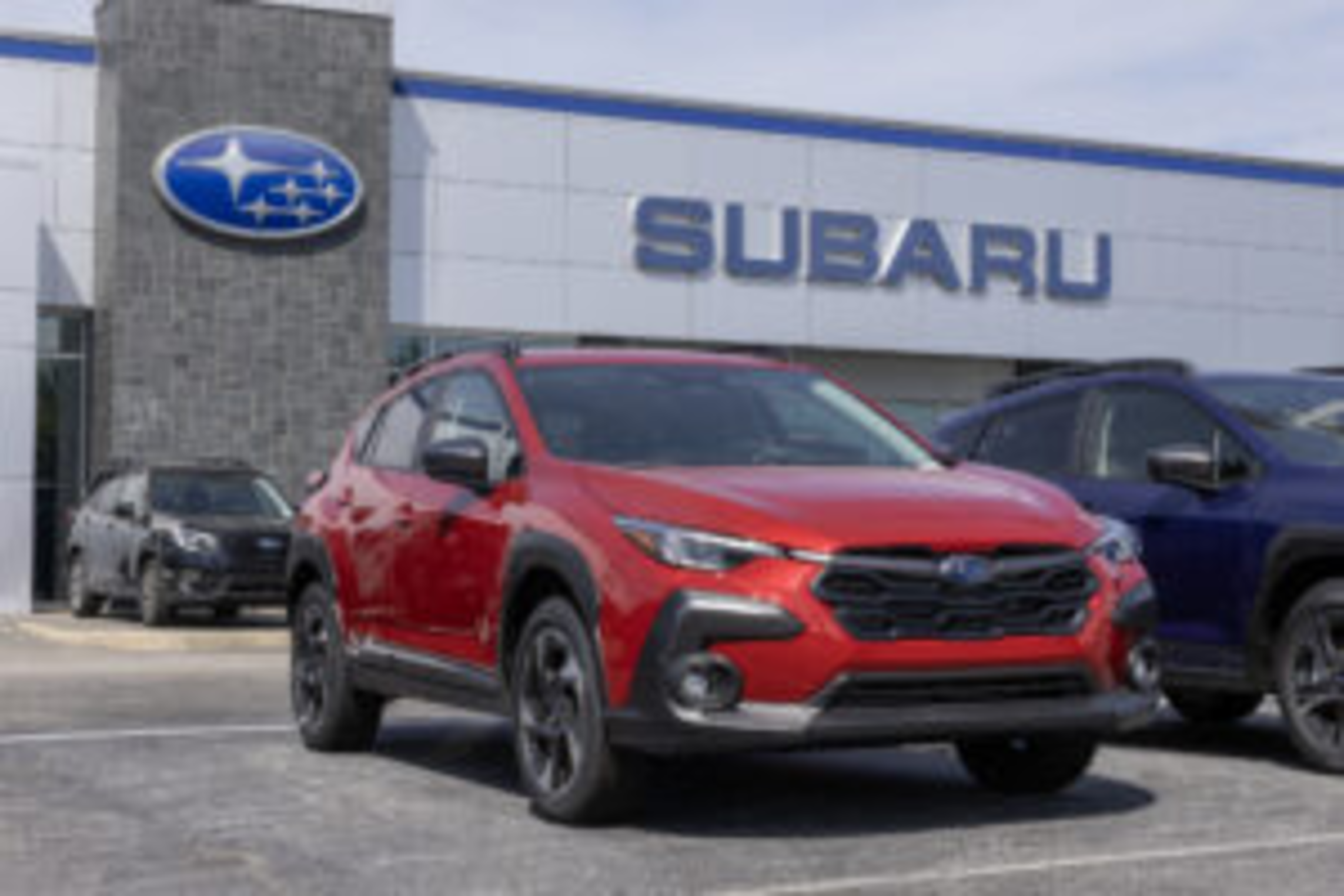
New Jersey judge finalizes settlement in Subaru Eyesight Driver Assist suit

A New Jersey District Court judge has finalized a settlement in a class-action suit that alleged Subaru’s EyeSight Driver Assist Technology had defects, including poor calibration of the software to multiple modules.
Subaru settled the case, filed in 2022, without admitting fault with the technology that includes safety systems such as autonomous emergency braking (AEB) and lane keep assist (LKA).
The settlement includes:
-
- 2013-2022 Legacy
- 2013-2022 Outback
- 2015-2023 Impreza
- 2015-2023 Crosstrek
- 2014-2021 Forester
- 2019-2022 Ascent
- 2016-2021 WRX
- 2022-2024 BRZ
The suit claims Subaru marketed the technology “promising consumers peace of mind.” However, the suit states that for the systems to work as intended and advertised, Subaru needed to ensure that its suppliers manufacture the component systems correctly and have them installed properly at the factory.
“Subaru is also responsible for ensuring that the AEB System itself has adequate programming to handle real-world driving conditions and that the component systems communicate properly with one another,” the suit says.
Defects that consumers were not warned about include the anti-lock braking system (ABS) control module being prone to activating the brakes when there are no objects in front and/or behind the vehicle when backing up, according to the suit.
“The AEB systems also sometimes fail entirely to activate when there are persons or objects in motion in front of the vehicle,” the suit says. “This occurs due to miscommunication between all the systems involved in automatic braking, including the sensors, the brakes, and the transmission.”
AEB also fails to activate in situations for which it was designed, such as a pedestrian or vehicle stopping abruptly, the suit says.
The LKA, using the power steering control module, would attempt to correct the vehicle’s steering when changing lanes, driving on a road with construction, or multiple lines due to construction, the suit says. It adds that the system would shut down entirely while the vehicle is in motion and cannot be used again until the vehicle is restarted.
“Based on pre-production testing, including design failure mode analysis, quality monitoring team data, quality control audits, early warranty claims, replacement part orders, and consumer complaints to Subaru’s authorized network of dealers, as well as complaints to NHTSA, defendants were aware of the Defects in the class vehicles as early as 2012,” according to the suit.
It alleges that Subaru concealed the existence of the defects in advertising and manuals at the time of sale, lease, and repair.
Multiple plaintiffs in the case claim that they were not told about the defects when purchasing the vehicle from a dealership. Each later complained to Subaru dealerships about the systems working incorrectly and was told by them that the systems were working correctly, so no repairs were made.
Nine plaintiffs named in the suit will receive $5,000 each in the settlement, and the plaintiffs’ attorneys will be reimbursed $2.4 million.
An attempt was made to reach all consumers by mail who purchased or leased the vehicles and were impacted, and a website explaining the settlement was created.
As part of the settlement agreement, Subaru extended the warranty and paid for any past out-of-pocket expenses for a covered repair. However, deadlines to repair or file a claim for a repair have passed.
Collision shop calibration liability
OEMs are not the only businesses that can be held liable for safety system failures due to poor calibrations.
Lawsuits involving missed or improper calibrations of ADAS systems are upticking across the country for repair shops, according to Rebekah Cooper, product liability attorney at The Cooper Firm, who spoke this summer with BodyShop Business’s Jason Stahl during an Under the Radar video segment.
Cooper said it wouldn’t be an exaggeration to say there are about a dozen pending cases across the country at any given time. She explained during the interview that cases have involved forward collision warning, lane departure warning, automatic emergency braking, and occupant sensors. It could also include backup cameras, she said.
She said technology is evolving, and so is litigation, which she believes will continue as more autonomous features are introduced to the market.
Collision repair shops are still liable even if they sublet the calibration work, Cooper said.
Cooper will discuss how emerging vehicle tech is reshaping accountability and where the current system gaps leave consumers vulnerable during the Collision Industry Conference meeting in Palm Springs, California, on Jan. 21. Register for the event here.
Image
Photo courtesy of jetcityimage/iStock