
Tesla promotes new door safety feature ahead of Bloomberg report on 15 deaths

Tesla launched a new safety website featuring doors that will automatically unlock in a collision days before Bloomberg printed an investigation that finds 15 people have died in crashes where Tesla doors wouldn’t open.
The website outlines all of Tesla’s safety features such as forward collision warning, automatic emergency braking, and dynamic brake lights. It details how the chassis and frame are designed to absorb the energy of the crash and advanced airbags deploy according to crash type and different-sized occupants.
New information is provided in a section titled “Safer Aftermath.” It notes that when a serious collision is detected, hazard lights will turn on to increase visibility and doors will automatically unlock for emergency access.
“At the same time, your Tesla will automatically contact emergency services to get help to you as quickly as possible,” the website says.
Bloomberg reports that it is unclear whether Tesla has already deployed the features to existing vehicles with an over-the-air software update or if it will be available on new vehicles. The article says the company didn’t immediately respond to an emailed request for comment.
The article explains that Teslas have two batteries, one for propelling the vehicle (high-voltage) and one that powers windows and doors (low-voltage).
“If the low-voltage pack dies or is disabled, the doors may not unlock from the exterior,” the article says.
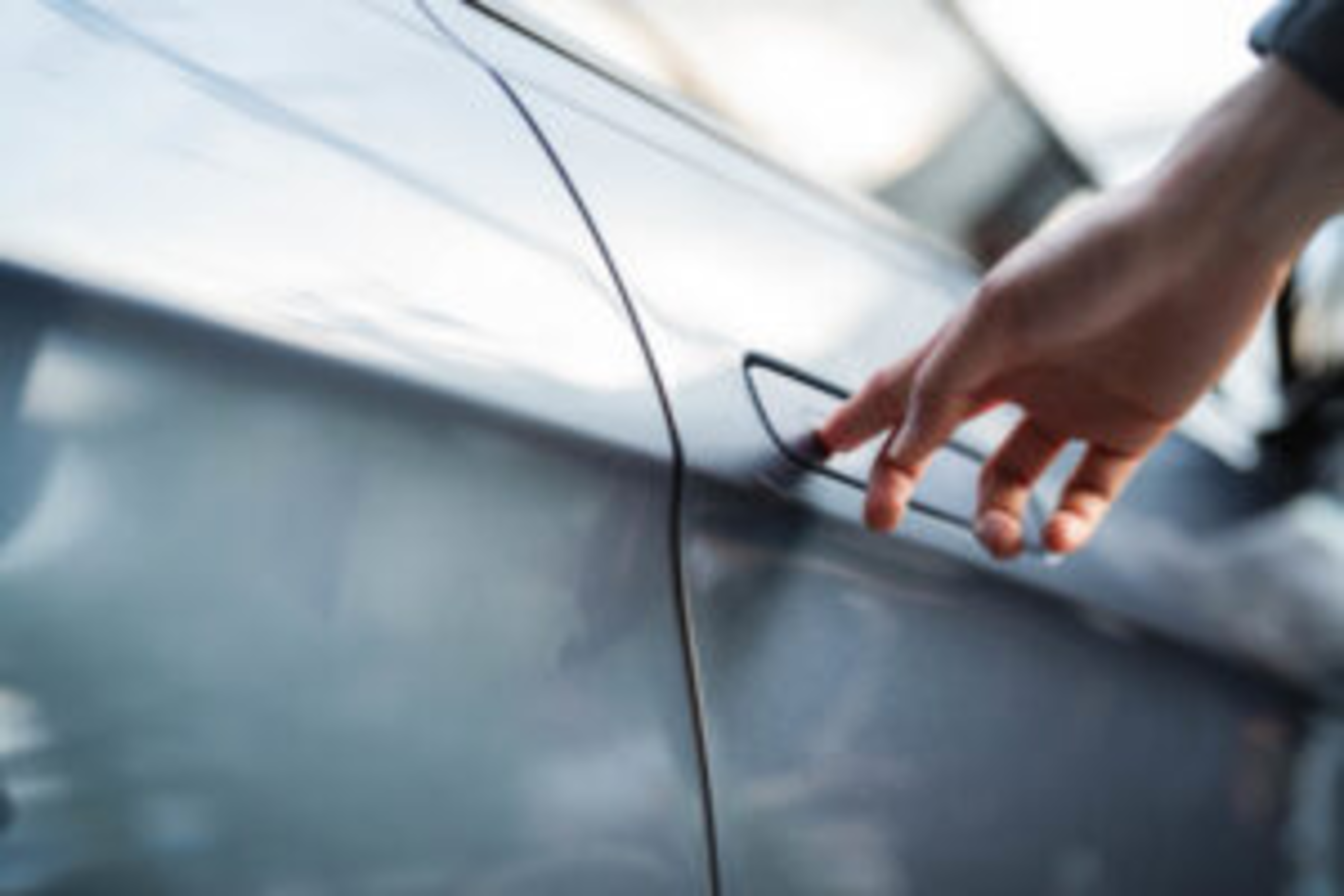
Buttons that open the doors stop working if the battery dies, the article says. Manual release handles aren’t always marked.
“For passengers in the back seat, releases are located under rugs, behind speaker grilles, or under pieces of plastic, depending on the model,” the article says. “Certain versions of the Model 3 and Model Y aren’t equipped with manual releases for rear doors.”
Bloomberg’s investigation, published Monday, found 15 deaths in about 12 incidents in the past 10 years where vehicle occupants or rescuers were unable to open Tesla doors after the vehicles crashed and caught fire. More than half of the deaths took place since November 2024.
The investigation focused on fatal EV crashes where there was documented evidence that the victim survived the impact but was trapped inside the burning vehicle. Federal and local crash reports of fatal EV crashes were used to gather the data.
A Texas lawsuit filed against Tesla in July claims defective designs in the Cybertruck caused a fire that trapped its owner in the vehicle, ultimately causing his death.
The suit filed by Michael Sheehan’s family in Harris County claims that he purchased the 2024 Cybertruck on April 25 of last year. In August, Sheehan’s Cybertruck left the road, struck a culvert and caught fire, trapping him inside.
According to the suit, the crash forces themselves were survivable and that vehicle deformation contributed to the fire and Sheehan’s inability to escape. One design flaw noted in the suit is that occupants are unable to open doors once power is lost and that external door handles don’t open properly.
The National Highway Traffic Safety Administration (NHTSA) also started an investigation into Tesla’s electronic door handles being inoperable due to low battery voltage in September.
Image
Photo courtesy of whitebalance.space/iStock