
Auto industry praises Trump administration as it rolls back CAFE standards

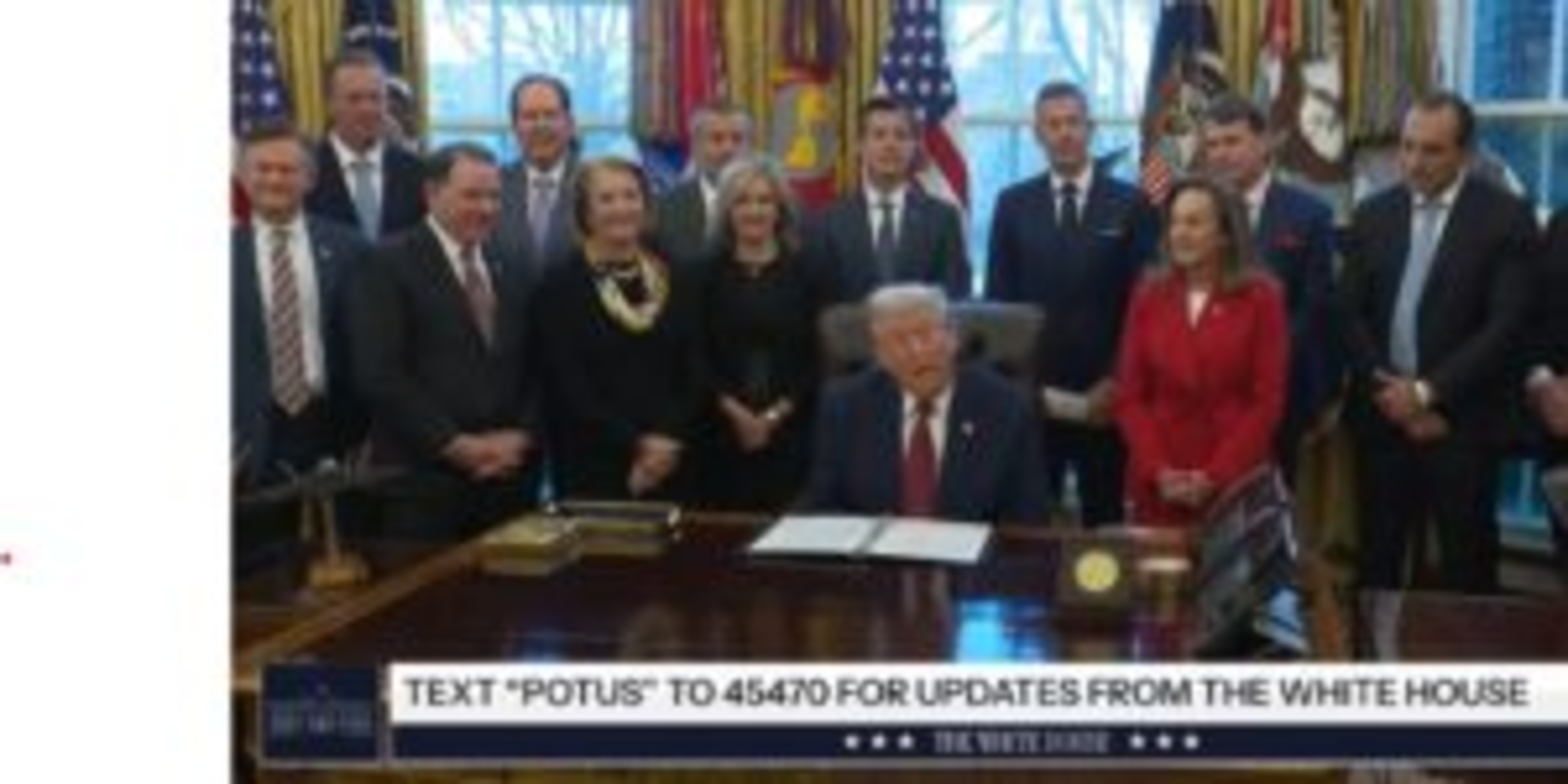
Auto industry leaders and transportation officials joined President Donald Trump on Wednesday to announce the “Freedom Means Affordable Cars” proposal, which will roll back standards in the Corporate Average Fuel Economy (CAFE) program.
The proposed rule, submitted to the Federal Register by the Department of Transportation, would require a fleetwide average of 34.5 miles per gallon by model year 2031. Regulations set in place under former President Joe Biden’s administration require an average of 50.4 mpg by the 2031 model year.
“Today, my administration is taking historic action to lower costs for American consumers, protect American auto jobs, and make buying a car much more affordable for countless American families, and also safer,” Trump said during Wednesday’s event.
Jim Farley, Ford CEO, reiterated Trump’s remarks by saying the proposal is “a victory of common sense and affordability.”
“We believe that people should be able to make a choice as you said, Mr. President, and we will invest more in affordable vehicles,” Farley said. “This allows us to invest in affordable vehicles made in the U.S., which we will take the lead on and will allow us to make vehicles more affordable.”
Stellantis CEO Antonio Filosa said the proposal meets “real customer demand.” He added that the company plans to invest more than $13 billion in the United States over the next four years and increase production by 50%.
National Automobile Dealers Association (NADA) Board Chairman Tom Castriota said NADA represents 18,000 dealers, including 3,000 heavy-duty truck dealers.
“The actions that you’ve done as the president, and your administration, is definitely going to save our customers money,” Castriota said. “You made your promises that let the consumer buy what they want, and you delivered on that.”
Trump signed the Working Families Tax Cuts Act in July, which eliminated the enforcement options of CAFE standards. He also signed an executive order during his first day of office to eliminate Biden’s “EV mandate.” However, the order was a statement of planned action and not a proposed rule.
In June, Trump signed three Congressional Review Act resolutions disapproving of California’s vehicle emission waivers.
A Wednesday press release from the White House claims that if the standards were maintained, the average cost of a new car would increase by $1,000. It says that the proposed rule change will save American families more than $109 billion in the next five years.
Department of Transportation Secretary Sean P. Duffy said in a separate press release that the initiative is among the largest deregulatory actions taken by the second Trump Administration.
The National Highway Traffic Safety Administration (NHTSA) Administrator Johnathon Morrison said that by restoring reasonable fuel economy standards, the administration will also save lives and make roads safer.
“Newer cars are safer cars, and by reducing vehicle prices, more American families will be able to afford newer vehicles,” Morrison said. “I’m proud of our team for the tremendous job they’ve done developing this proposal.”
The Alliance for Automotive Innovation (Auto Innovators) also released a statement on Wednesday in support of the Trump Administration’s plan.
“We’re reviewing NHTSA’s announcement, but we’re glad the agency has proposed new fuel economy standards,” said John Bozzella, Auto Innovators president and CEO, in the release. “We’ve been clear and consistent: The current CAFE rules finalized under the previous administration are extremely challenging for automakers to achieve, given the current marketplace for EVs.
“What’s good for consumers and the auto industry? A stable regulatory environment and balanced, reasonable, achievable standards that continue to reduce emissions and improve fuel economy. These also happen to be policies that will preserve consumer choice and keep the U.S. auto industry globally competitive.”
Image
Photo: Screenshot of White House via YouTube.